



Batwa Tribe of Uganda – Cultural Tour & Indigenous Forest Experience
Discover the Batwa people of Uganda
The Batwa people, also known as the Twa, are among the oldest indigenous communities of the Great Lakes region of East Africa.
For centuries, they lived as forest dwellers in the dense ecosystems of Bwindi Impenetrable National Park, coexisting with wildlife and preserving one of Africa’s most biodiverse habitats.
Often referred to as the “keepers of the forest,” the Batwa hold a deep cultural and spiritual connection to nature—one that continues to shape their identity today.
Batwa Cultural Experience in Bwindi
A visit to the Batwa community offers more than sightseeing—it is an opportunity to understand a way of life that is rapidly disappearing.
During your tour near Bwindi Impenetrable National Park, you will:
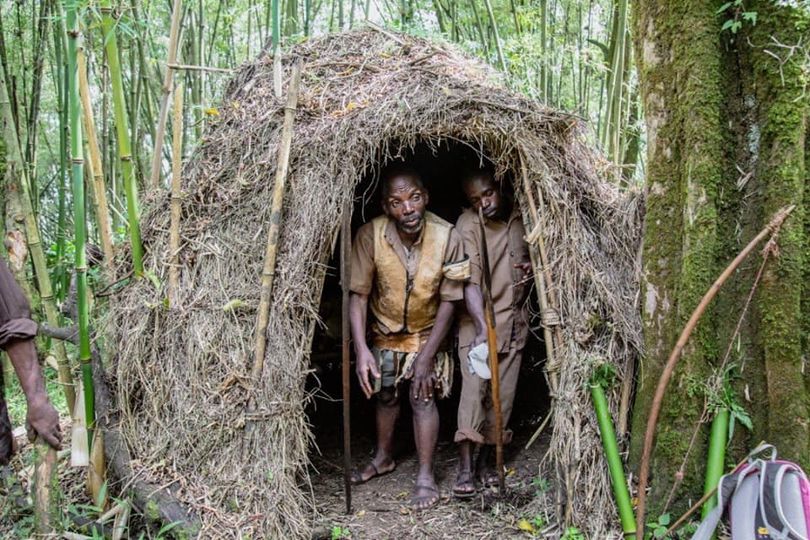
- Learn traditional hunting and gathering techniques
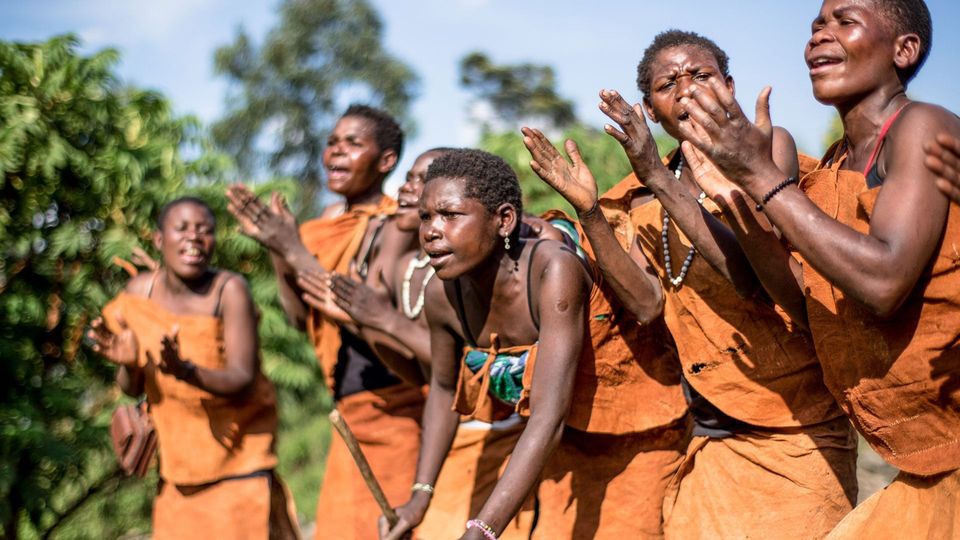
- Experience Batwa music, dance, and storytelling
- Visit community homes and cultural sites
- Hear first-hand stories about life in the forest
This experience is often combined with gorilla trekking safaris in Bwindi, making it a powerful cultural addition to wildlife adventures.
History of the Batwa People
The Batwa are believed to have lived in the Bwindi forest for hundreds of years before being displaced in 1991 when the forest was gazetted as a national park.
Their eviction, aimed at conservation, dramatically altered their way of life. Without land ownership or traditional livelihoods, many Batwa communities now live on the margins of society.
Despite these challenges, their cultural identity remains resilient.
Traditional Origins (Oral Legend)
According to Batwa oral tradition, a man named Kihanga had three sons—Katutsi, Kahutu, and Katwa.
Each was tested with a milk gourd:
- Katutsi preserved his milk and was rewarded with cattle
- Kahutu partially preserved his and was given crops
- Katwa lost his milk and was given the forest to survive
This story explains the Batwa’s ancestral connection to the forest and their role as hunter-gatherers.
Social & Economic Life Today
Today, many Batwa people live in small settlements around Bwindi and nearby areas.
Key realities:
- Limited access to land and resources
- High poverty levels and limited employment opportunities
- Reliance on crafts such as pottery and cultural performances
- Challenges in accessing education and healthcare
However, tourism has created new opportunities, with some Batwa working as cultural guides and performers.
Batwa Spiritual Beliefs & Traditions
The Batwa have a deep spiritual connection to nature.
They traditionally believed in a supreme being known as Nagaasan (or Imaana), associated with protection, provision, and life.
Their ancient religion was centered on the forest, where trees, animals, and natural elements held sacred meaning.
Even today, elements of these beliefs coexist alongside Christianity.

Challenges Facing the Batwa Community
Despite their rich heritage, the Batwa face ongoing challenges:
- Landlessness and displacement
- Limited access to healthcare and education
- Social discrimination and marginalization
- Risk of cultural extinction
Many organizations are working to support Batwa communities, but more awareness and responsible tourism are needed.
Visiting the Batwa – Responsible Tourism
You can visit the Batwa during your safari to:
- Bwindi Impenetrable National Park
- Mgahinga Gorilla National Park
Combining gorilla trekking with a Batwa cultural experience creates a deeper, more meaningful journey into Uganda’s heritage.

Recommended Uganda Safari Experience
A popular option includes:
- Gorilla trekking in Bwindi Impenetrable National Park
- Batwa cultural immersion experience
- Visits to other parks like:
- Queen Elizabeth National Park
- Murchison Falls National Park
- Kibale National Park
Why This Experience Matters
Visiting the Batwa is not just about travel—it’s about connection, awareness, and respect.
It allows you to:
- Support indigenous communities
- Preserve endangered cultures
- Gain a deeper understanding of Uganda beyond wildlife
