



Cultural Encounter with the Pokot People | Lake Baringo Safari Tour – Tribes to Tribes Northern Kenya
Discover the Authentic Culture of the Pokot People
Experience a powerful cultural journey with the Pokot people of Kenya and Uganda, one of East Africa’s most traditional and culturally rich communities. This immersive safari with Ultimate Wild Safaris takes you to the scenic regions of Lake Baringo, West Pokot County, and northern Kenya’s cultural landscapes, where ancient traditions are still alive today.
The Pokot are part of the broader Kalenjin ethnic group, classified as highland Nilotes, with ancestral roots traced back to southern Ethiopia. They began migrating southwards into present-day Kenya over 2,000 years ago.
Today, the Pokot are found in:
- West Pokot County (Kenya)
- Baringo County (Kenya)
- Parts of the eastern Karamoja region (Uganda)
Pokot Language and Origins
The Pokot speak the Pökoot language, which is closely related to other Kalenjin languages such as:
- Marakwet
- Nandi
- Tugen
These linguistic connections highlight the shared heritage of the Kalenjin-speaking peoples across Kenya and Uganda.
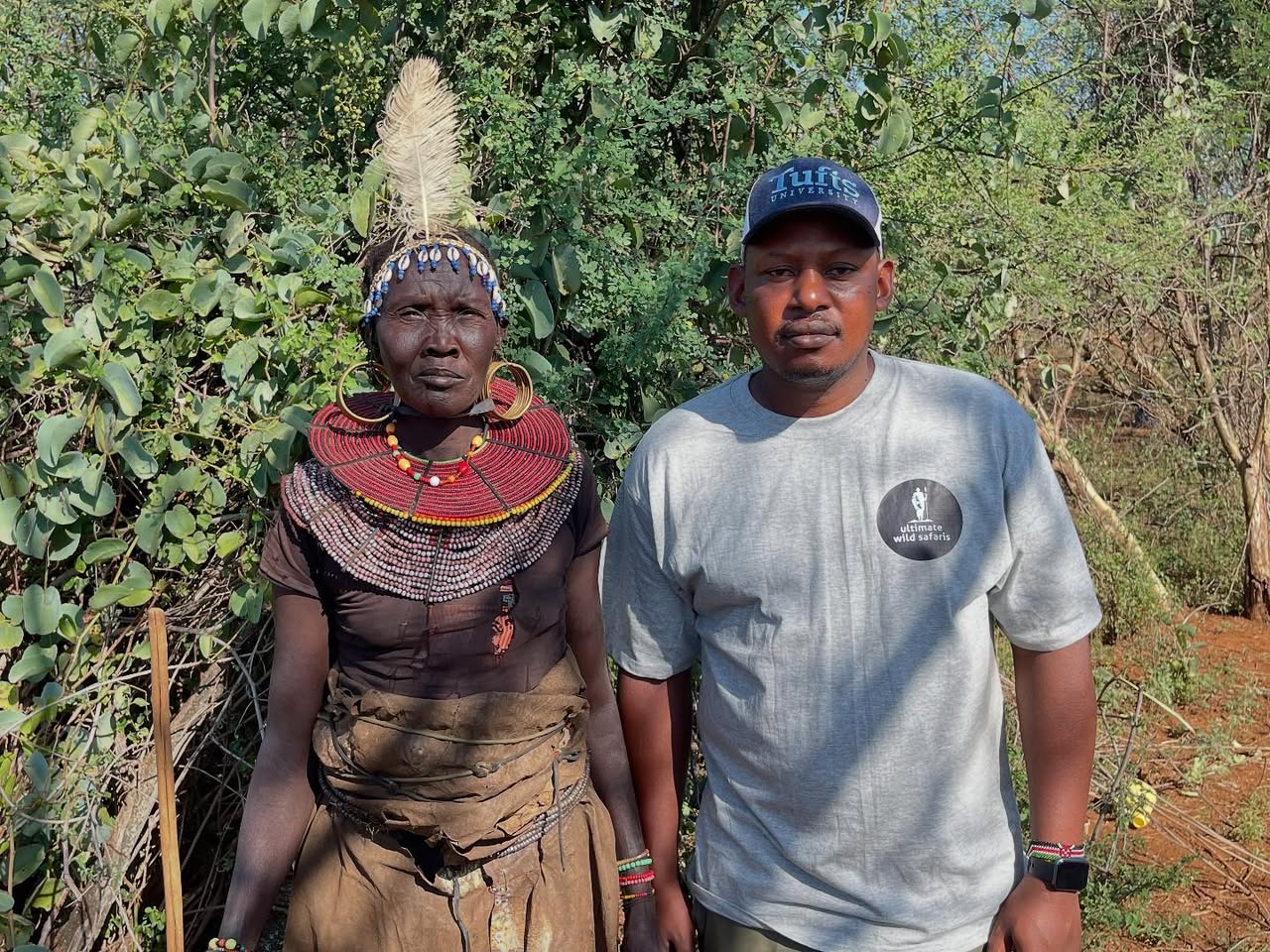
Pokot Way of Life: Pastoralists and Farmers
Pokot society is traditionally divided into two main economic groups:
1. Pastoral Pokot (Cow People)
- Depend on cattle herding
- Wealth is measured by the number of cattle owned
- Cattle are used for bride wealth, trade, and social status
- Milk, butter, and cheese are dietary staples
- Cattle are rarely slaughtered due to their high value
2. Agricultural Pokot (Corn People)
- Engage in farming activities
- Grow crops such as maize and other staples
- Supplement the pastoral economy
Despite this division, cattle remain the central symbol of wealth and identity across Pokot society.
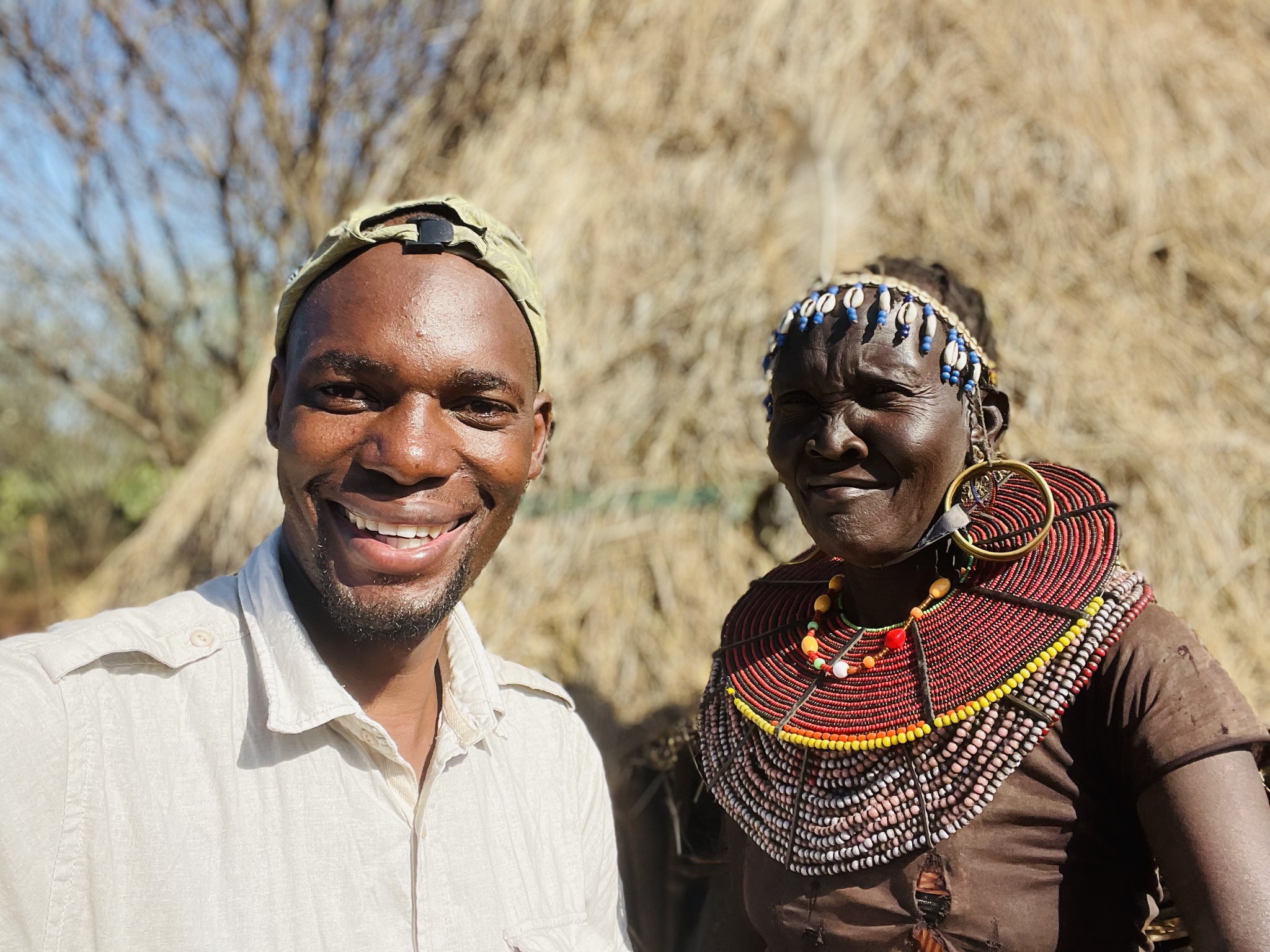
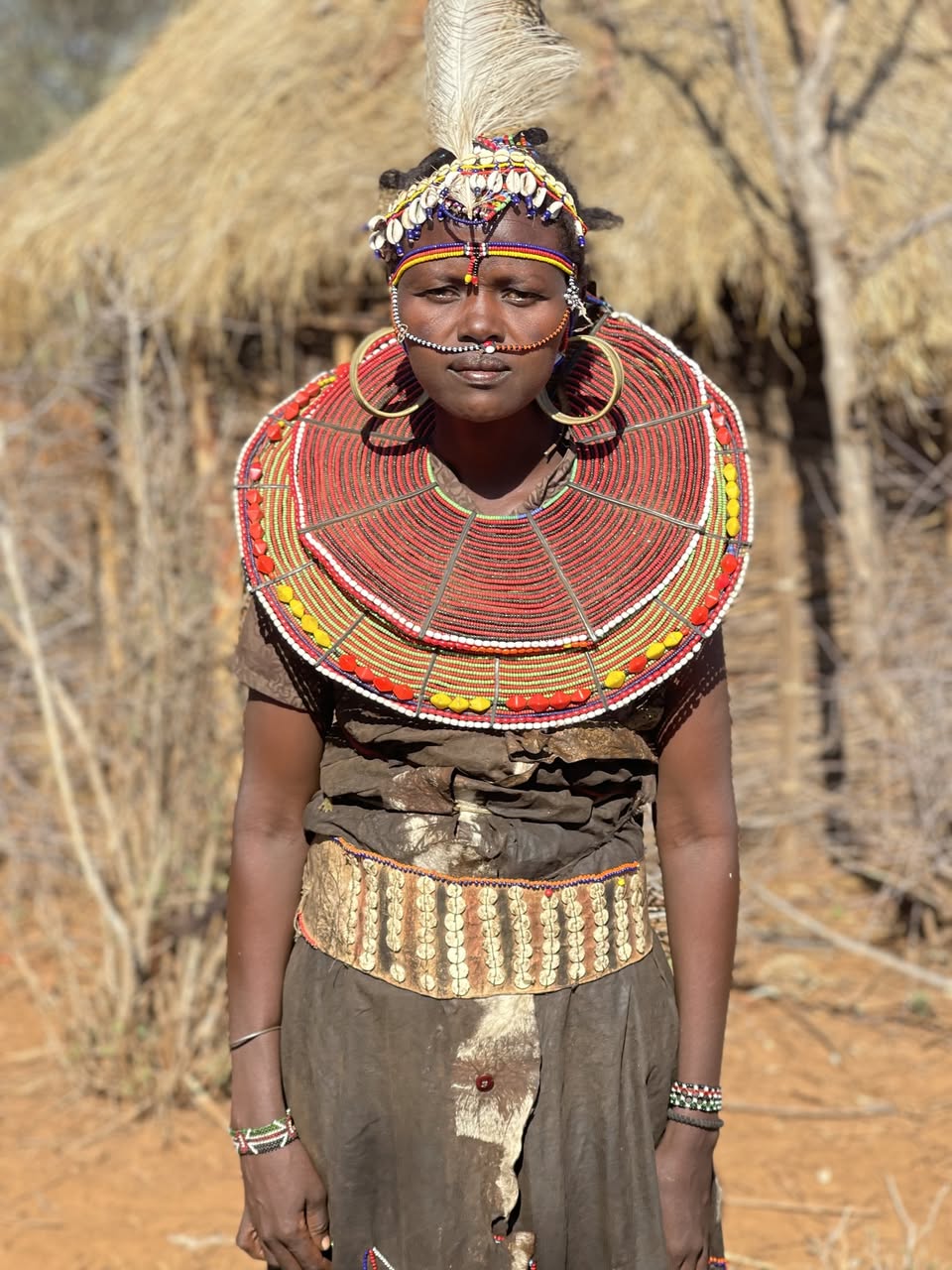
Culture, Ceremonies, and Traditions
The Pokot are known for one of the richest and most authentic cultural heritages in East Africa.
Key Cultural Practices
- Sapana – Men’s initiation rite into adulthood
- Kidong’a – Evening traditional dances for all age groups
- Circumcision ceremonies mark important life transitions
Social Identity
- Initiates take the name of their favourite ox after coming of age
- Strong emphasis on age-set systems and communal identity
Social Structure and Age-Grade System
Pokot society is organised through age-grades, which determine social roles and responsibilities.
- Boys are initiated between the ages of 15 and 20
- Girls are initiated around age 12 (onset of maturity)
- After initiation, individuals can marry and participate in economic life
Elders hold respected leadership roles, including:
- Presiding over community decisions
- Leading ceremonies and festivals
- Guiding spiritual and cultural life
Marriage, Gender Roles, and Social Life
Marriage among the Pokot is strongly linked to cattle wealth:
- Bride price is paid in cattle
- Polygamy is allowed for men with sufficient livestock
Women traditionally have limited public authority within community structures, while men dominate decision-making spaces.
Oral Traditions: Stories, Proverbs, and Wisdom
Pokot culture places strong emphasis on oral literature:
- Proverbs are used for teaching and persuasion
- Stories like the Louwialan clan tale warn against pride
- Riddles (Tyangoi) sharpen children’s intelligence and memory
These oral traditions preserve cultural values across generations.
Religion and Spiritual Beliefs
The Pokot traditionally worship Tororot, the supreme deity.
Spiritual Practices Include
- Prayers and offerings during communal gatherings
- Ritual dances and feasts to honour blessings
- Belief in diviners and medicine men
- Protection rituals against sorcery
- Reverence for sun, moon, and ancestral spirits
Illness and death are deeply feared, and much of religious practice focuses on healing and protection.
While some Pokot have adopted Christianity, traditional beliefs remain dominant in daily life.
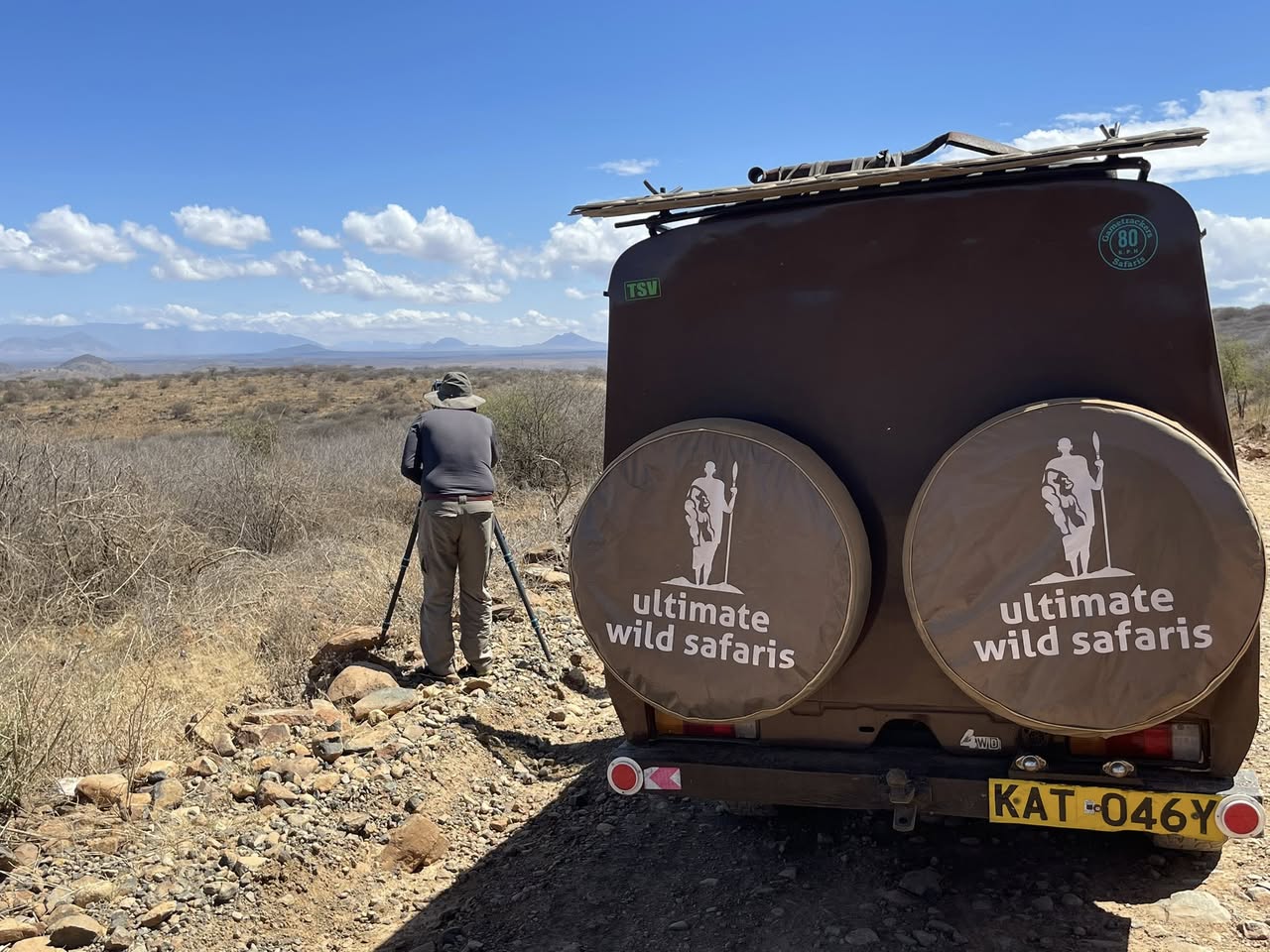
Cultural Safari Experience at Lake Baringo
Join Ultimate Wild Safaris for a once-in-a-lifetime cultural encounter with the Pokot people. Experience authentic traditions, storytelling, dances, and pastoral life in one of Kenya’s most culturally intact regions.
Book Your Pokot Cultural Safari Today
???? Email: This email address is being protected from spambots. You need JavaScript enabled to view it.
???? Mobile: +256 705 087 906 / +256 760 282 342
