



Cultural Safari to the Lopit Tribe
South Sudan Culture Safaris & Wildlife Tours
Experience one of South Sudan’s most fascinating and authentic cultural encounters with the Lopit (Donge) people, a Nilotic ethnic group living in the scenic Lopit Hills of Eastern Equatoria State. This immersive cultural safari blends anthropology, photography, and traditional lifestyle exploration in one of East Africa’s most culturally rich regions.
About the Lopit People
The Lopit population is estimated at 25,000–30,000 people, living in over 55 villages, including:
- Mehejek
- Lohotok
- Hiyala
They inhabit the fertile Lopit Hills, forming the eastern frontier of Torit District.
Neighbouring Communities
- North: Pari, Tennet, Bari
- West: Lokoya, Otuho
- South: Dongotono
- East: Toposa, Boya
The Lopit are closely related to the Lotuko-speaking Nilotic groups and are believed to have migrated from the Lake Turkana region.
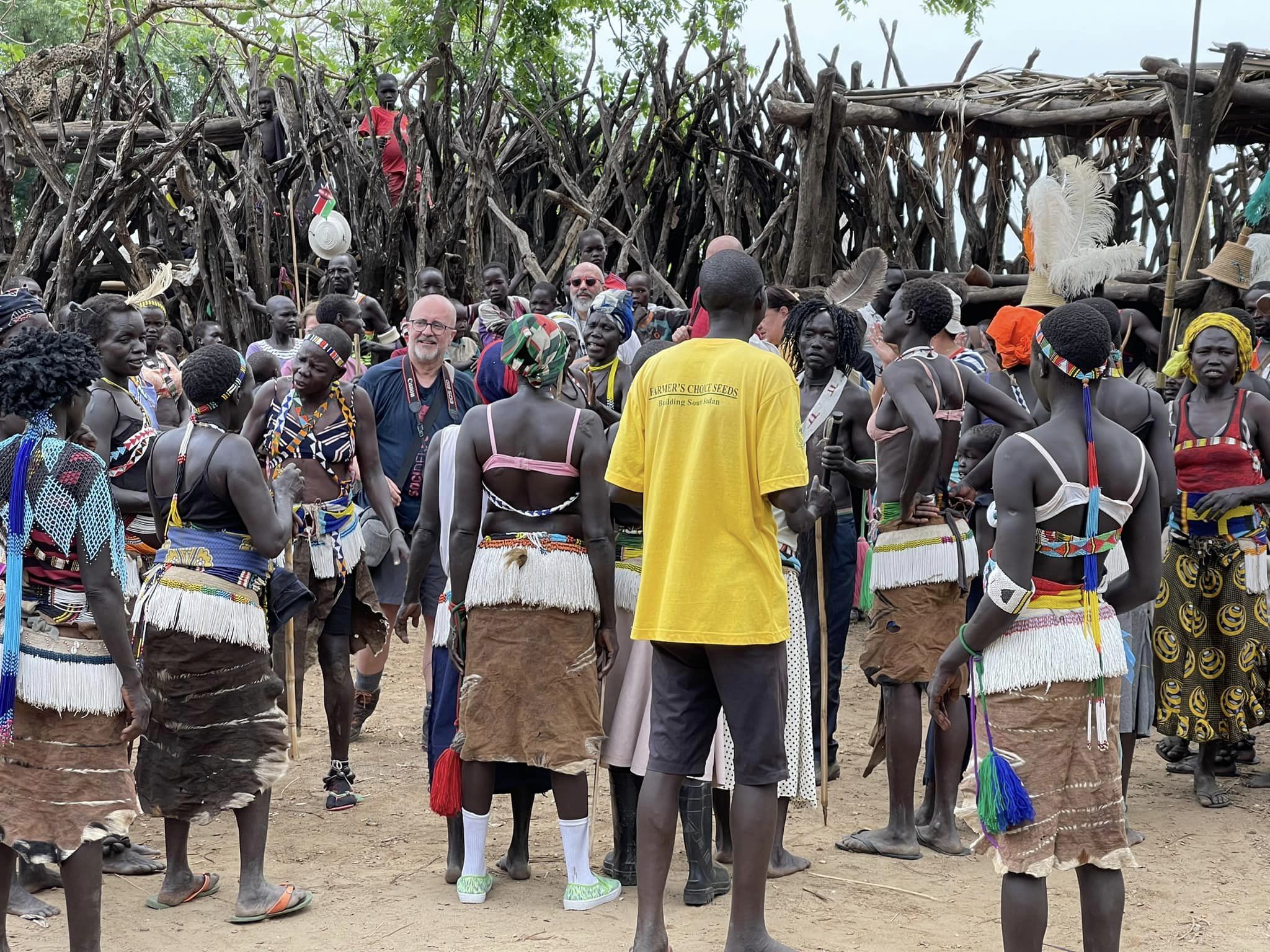
Lifestyle & Economy
The Lopit people live in a hilly, fertile environment where they practice:
- Subsistence farming (sorghum, millet, maize, cassava, pumpkin, groundnuts, sesame)
- Cattle keeping
- Harvesting forest products (honey, bamboo roots, shea nuts, figs)
- Mixed agriculture on mountain slopes and plains
Their villages are known for:
- Traditional bamboo and coconut-leaf houses
- Rocky, maze-like village layouts
- Strong communal living systems
Lopit Culture & Traditions
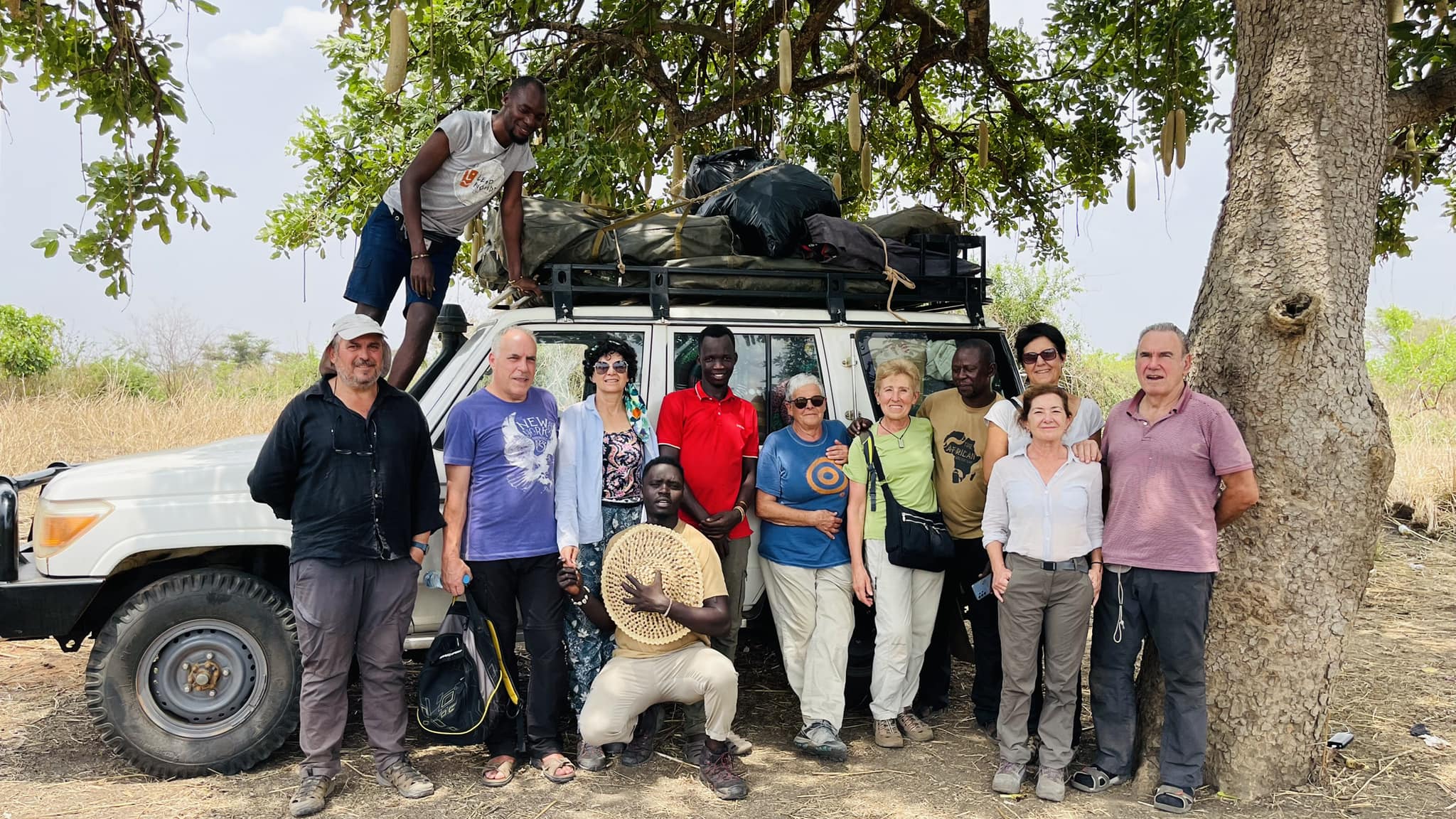
Music, dance, and ceremonies are central to Lopit identity. Each dance has a specific meaning and timing:
Traditional Dances
- Bura – Funeral dance lasting up to 24 hours
- Ikanga – Harvest celebration dance
- Rongit – Leadership and training dance for age sets
- Hitobok – War preparation dance
- Miliang & Hatar – Marriage celebration dance
- Lam – Annual hunting and ceremonial dance
- Liang – Mourning and remembrance dance
- Lothe / Lotuhe – Elder funeral rituals
- Malia – General celebration dance (all genders)
- Ikitia – Women’s afternoon dance
Drumming plays a central role in all ceremonies, creating rhythmic storytelling through sound and movement.
Marriage, Birth & Initiation Rituals
Birth Rituals
- Mother and child remain in seclusion for 7–8 days
- A naming ceremony conducted by the elder women
- Rituals differ based on the child’s gender
Initiation into Adulthood
At ages 14–15:
- Boys become Dure Horwong
- Girls become Hodwo
- Seclusion for 7 days under spiritual guidance
- Transition into adult responsibilities and social roles
Marriage Customs
- Courtship often involves elopement
- Dowry negotiations follow after the reunion
- Marriage strengthens clan alliances
Social Structure – The Monyomiji System
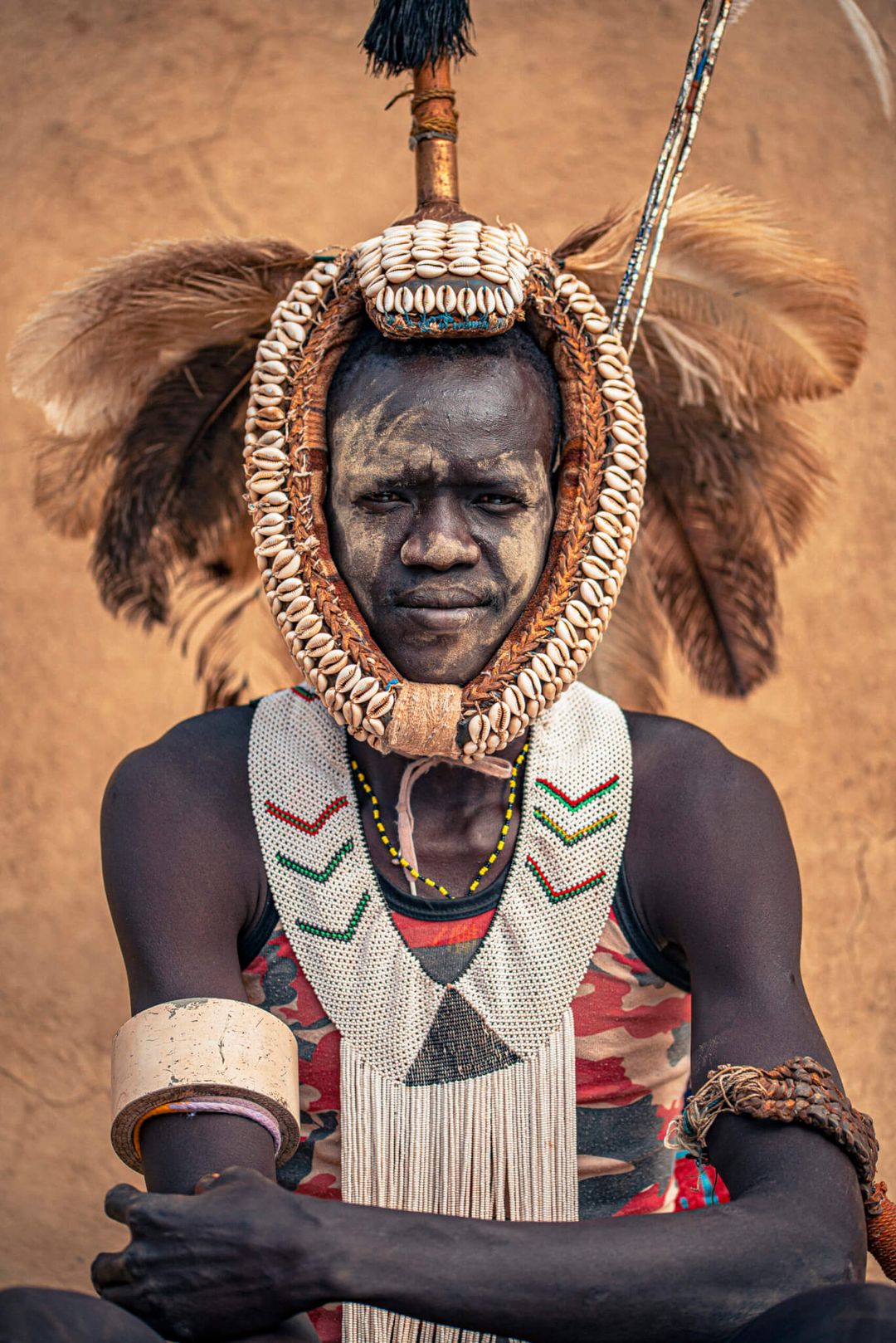
The Lopit society is organised around a powerful age-set leadership system:
Monyomiji (Ruling Age Set)
- Governs village affairs
- Makes decisions on war, farming, and ceremonies
- Leadership rotates every 12–22 years
- New leaders are formally initiated in major ceremonies
They are respected but also accountable to elders and the community.
Hunting, Fishing & Livelihood Traditions
Traditional Hunting
- Large-scale community hunts (up to 2,000 men)
- Organised every few weeks in advance
- Animals include buffalo, giraffe, antelope, and occasionally elephant
- Strict cultural rules for meat distribution
Fishing Season
- August to April
- Conducted in wetlands and seasonal rivers
Cultural Tourism Experience
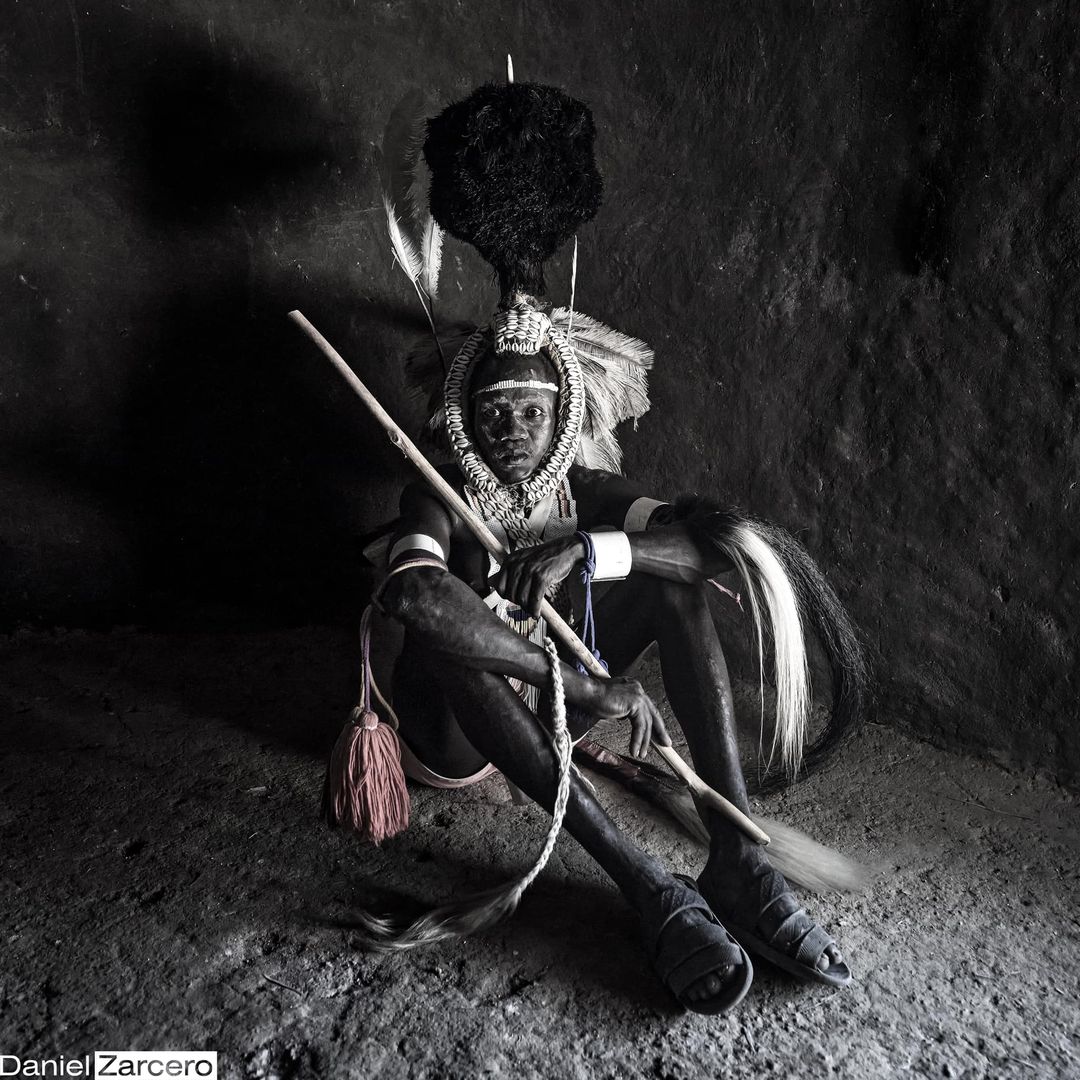
A Lopit cultural safari offers:
- Village walks through traditional settlements
- Photography of ceremonies and dances
- Interaction with elders and warriors
- Storytelling and oral history sessions
- Mountain and landscape exploration
Best Time to Visit the Lopit Region
Dry Season (Recommended)
November – March
- Best road access
- Active cultural ceremonies
- Ideal photography conditions
Wet Season
- Lush green landscapes
- Difficult travel conditions in remote areas
Travel Notes
- Respect local customs and ceremonies
- Photography permission is required for certain rituals
- Guides are essential for village access
- Cultural sensitivity is highly important
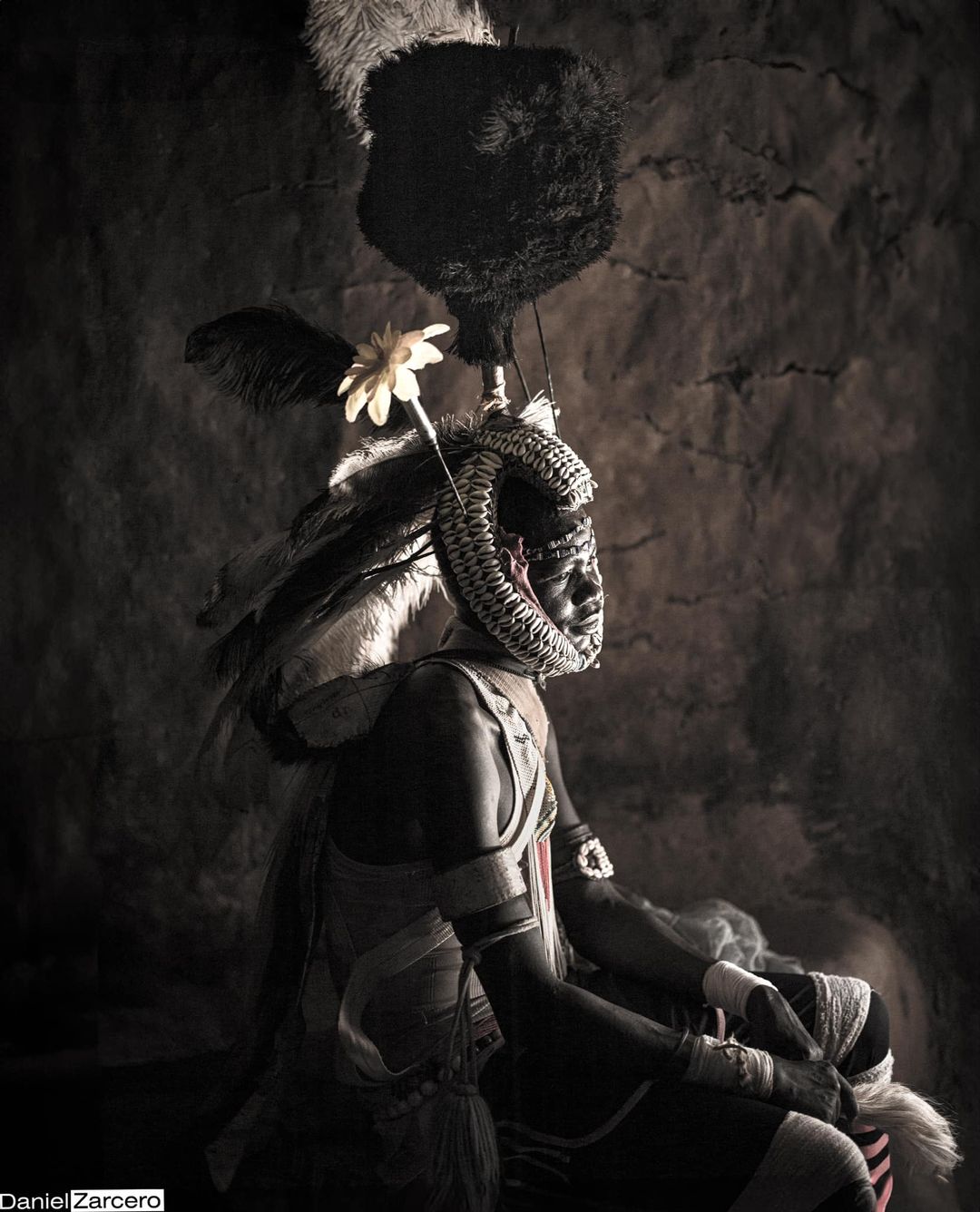
Why Visit the Lopit Tribe?
- One of South Sudan’s most authentic tribal cultures
- Rich ceremonial traditions and age-set systems
- Strong preservation of indigenous identity
- Rare cultural photography opportunities
- Remote and untouched tourism experience
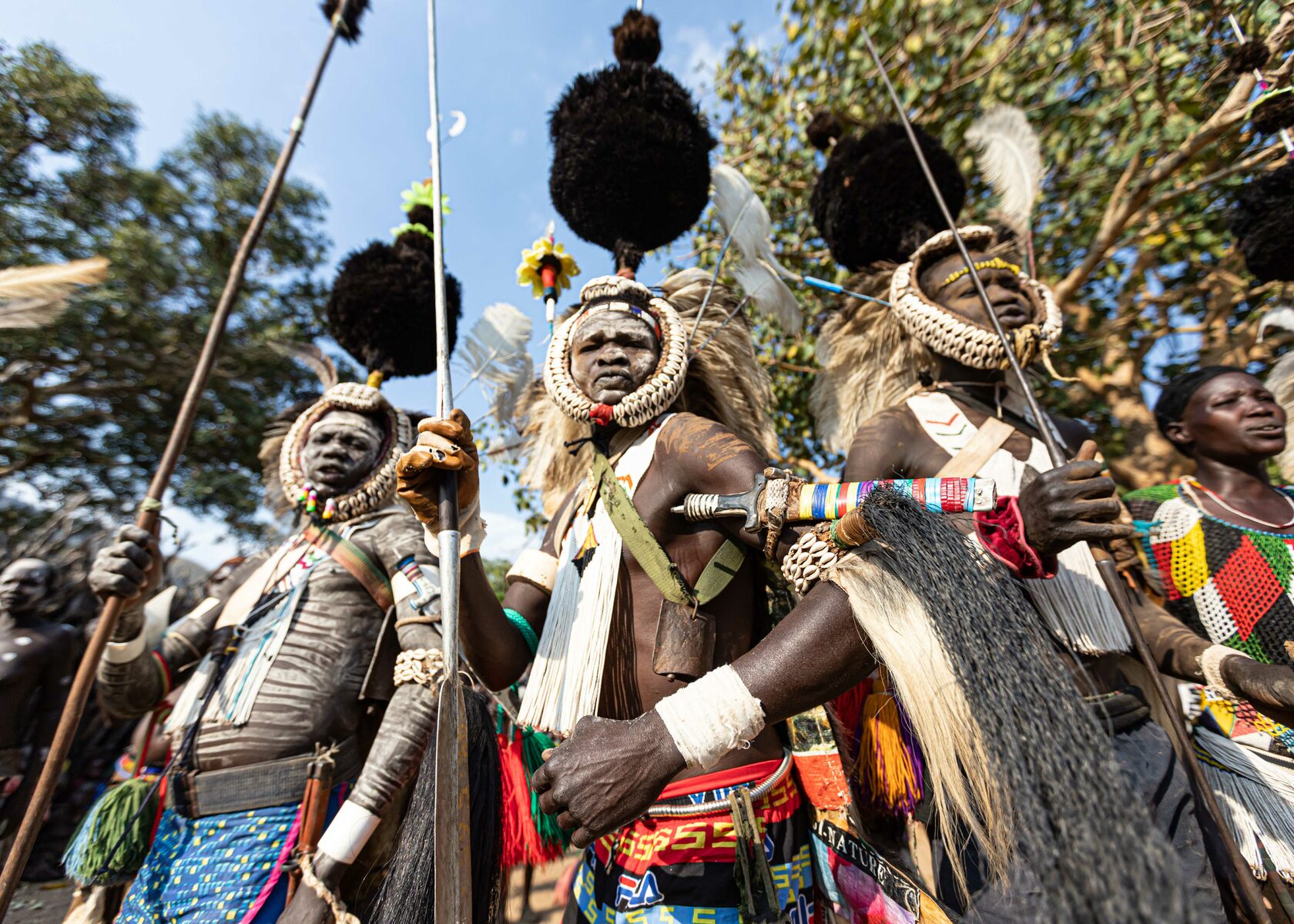
Book Your Cultural Safari
Arrange your Lopit Tribe Cultural Safari with:
Email: This email address is being protected from spambots. You need JavaScript enabled to view it.
Phone: +256 705 087 906 / +256 760 282 342
