



Dinka Tribe (Jieng) Cattle Camp Tour – South Sudan Cultural & Wildlife Safari
Dinka Tribe Cattle Camp Tour and Travel Guide in South Sudan
The Dinka Tribe, also known as the Jieng, is one of the largest and most iconic ethnic groups in South Sudan. Renowned for their towering height, rich cattle culture, and deep ancestral traditions, the Dinka offer one of the most authentic cultural safari experiences in Africa. A visit to a Dinka cattle camp is an unforgettable journey into the heart of South Sudan’s pastoral lifestyle, where cattle are not just livestock but the foundation of culture, economy, identity, and spirituality.
A Dinka cattle camp tour is a highlight of any South Sudan cultural and wildlife safari, offering travelers a rare opportunity to experience traditional nomadic life along the Nile basin, Bahr el Ghazal, Upper Nile, and Abyei region.

Who Are the Dinka People of South Sudan?
The Dinka Tribe (Jieng) is a Nilotic ethnic group primarily living along the Nile corridor from Bor to Renk, including Bahr el Ghazal, Upper Nile, and the Abyei Area. They are widely regarded—alongside the Tutsi of Rwanda—as one of the tallest populations in the world, with an average height of approximately 5 feet 11 inches.
The Dinka speak multiple dialects and maintain a strong oral tradition that preserves their history, migration stories, and cultural identity.
History and Origins of the Dinka Tribe
According to oral traditions, the Dinka are believed to have originated from the Gezira region in present-day Sudan. During the medieval period, this area was part of the Christian Nubian kingdom of Alodia. Over time, due to drought, conflict, and slave raids, the Dinka migrated southward into what is now South Sudan.
Their movement across the Nile basin shaped their identity as resilient pastoralists deeply connected to cattle and seasonal migration patterns.

Dinka Cattle Camp Experience in South Sudan
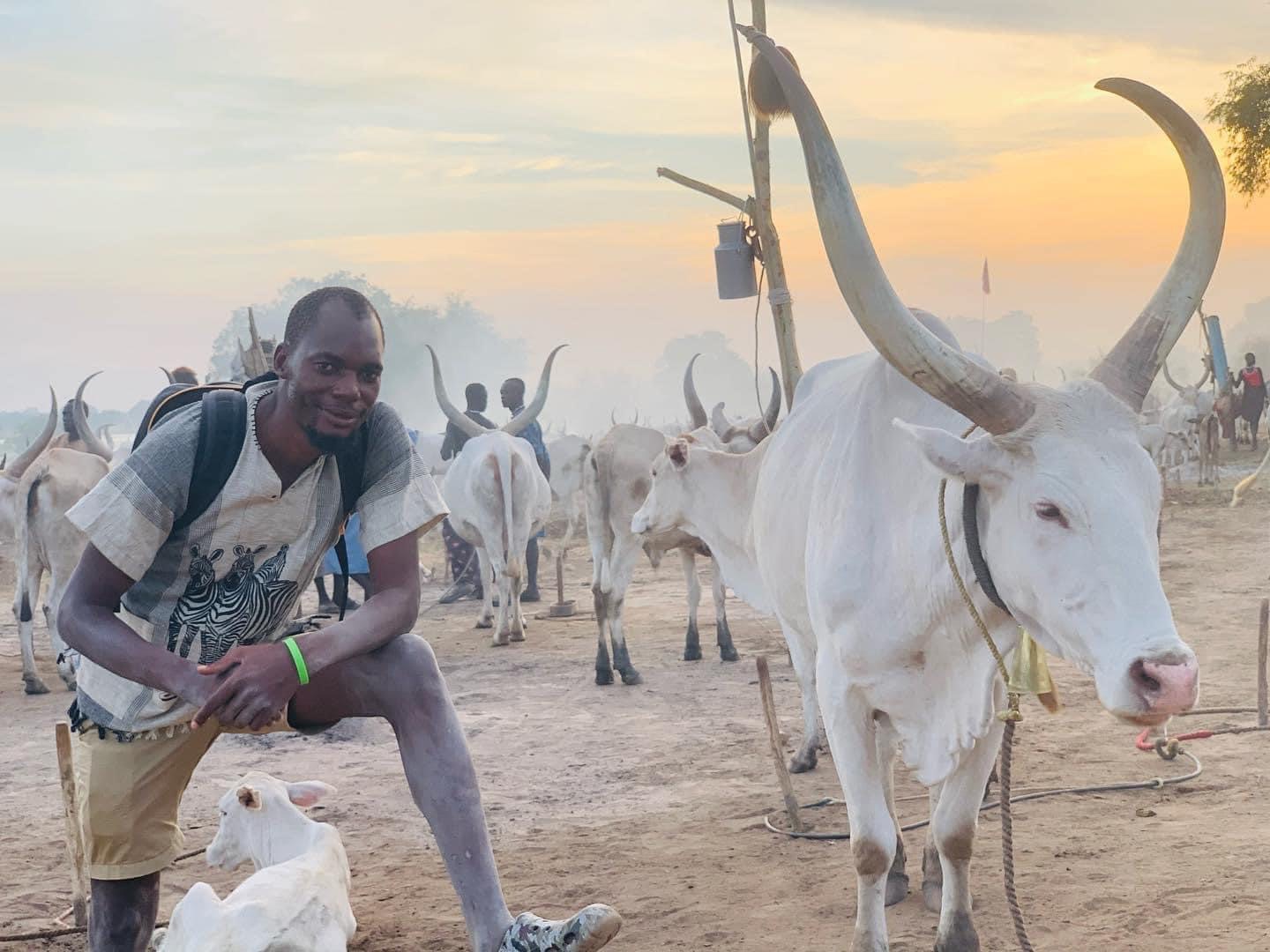
A Dinka cattle camp tour is one of the most immersive cultural experiences in Africa. These camps are temporary settlements where thousands of cattle are herded, protected, and cared for by young men and boys.
What You Experience in a Dinka Cattle Camp:
- Daily cattle herding and milking activities
- Traditional songs, chants, and cattle calling
- Boys learning survival and pastoral skills
- Observation of sacred cattle rituals
- Interaction with herders in remote wilderness landscapes
- Photography of iconic long-horned bulls
Cattle are central to every aspect of Dinka life, symbolizing wealth, prestige, marriage, and spiritual connection.
Dinka Culture, Lifestyle, and Traditions
The Dinka people are semi-nomadic pastoralists whose lives revolve around cattle herding and seasonal migration.
Livelihood and Economy
- Cattle herding is the backbone of the economy
- Farming includes sorghum, millet, and groundnuts
- Seasonal movement between dry and rainy season settlements
During the dry season, the Dinka move with their cattle in search of water and pasture. In the rainy season, they return to permanent villages built on higher ground.
Traditional Dinka Homes (Baai)
Dinka homesteads, known as baai, are traditionally built using:
- Wooden poles
- Mud walls
- Thatched roofs made of reeds and grass
Some homes include elevated granaries used for storing crops such as sorghum and millet. The construction is a shared responsibility between men and women.
Dinka Initiation and Coming of Age
Dinka initiation rituals are a major cultural milestone, especially for young men.
Key Traditions:
- Forehead scarification marks to symbolize adulthood
- Adoption of a “cattle name” based on favorite bulls or traits
- Intensive cattle training and herding responsibilities
- Learning discipline, bravery, and survival skills in cattle camps
Young men often form deep emotional bonds with cattle, naming and caring for specific bulls throughout their upbringing.
Marriage, Cattle Dowry, and Social Life
Marriage in Dinka society is deeply tied to cattle.
- Bride price can exceed 400 cattle depending on family status
- Cattle are exchanged as a symbol of wealth and respect
- Strong clan-based negotiations guide marriage arrangements
The society is organized into independent clans with respected ritual leaders known as beny bith (“masters of the fishing spear”).
Dinka Culture, Sports, and Celebrations
The Dinka are known for their vibrant cultural expressions:
- Traditional wrestling competitions
- High-energy courtship dances
- Drumming and harvest celebrations
- Community singing and storytelling
Wrestling is especially important, symbolizing strength, masculinity, and social pride.
Dinka Religion and Spiritual Beliefs
The Dinka believe in a supreme creator known as Nhialic, who governs the universe but remains distant from human affairs.
Key spiritual practices include:
- Animal (ox) sacrifice rituals
- Ancestor veneration
- Nature-based spiritual beliefs
- Rainmaking and fertility ceremonies
Cattle sacrifices performed by ritual leaders are central to spiritual life.
Why Visit the Dinka Cattle Camps in South Sudan?
A Dinka cultural safari is one of the most powerful travel experiences in East Africa.
Top Reasons to Visit:
- Authentic nomadic cattle camp lifestyle
- Rare cultural immersion with the Dinka people
- Traditional music, dance, and wrestling events
- Unique photography opportunities
- Deep cultural learning about Nilotic traditions
- Remote wilderness travel along the Nile region
Best Time for a Dinka Cultural Safari
- Dry Season (best time): Cattle camps are active and accessible
- Rainy Season: Villages are more settled with farming activities
Travel with an experienced guide is highly recommended due to the remote nature of the region.
Book Your South Sudan Cultural Safari
Experience the unforgettable Dinka Tribe cattle camp tour with professional guidance.
Arrange your safari with:
Ultimate Wild Safaris
Email: This email address is being protected from spambots. You need JavaScript enabled to view it.
Mobile: +256 705 087 906 / +256 760 282 342
Explore authentic South Sudan cultural and wildlife safari tours, including the Dinka cattle camps and other remote tribes.
