Ishasha Tree-Climbing Lions in Queen Elizabeth National Park – Uganda Wildlife Safari Tours
Tree-Climbing Lions in Ishasha Sector, Queen Elizabeth National Park, Uganda
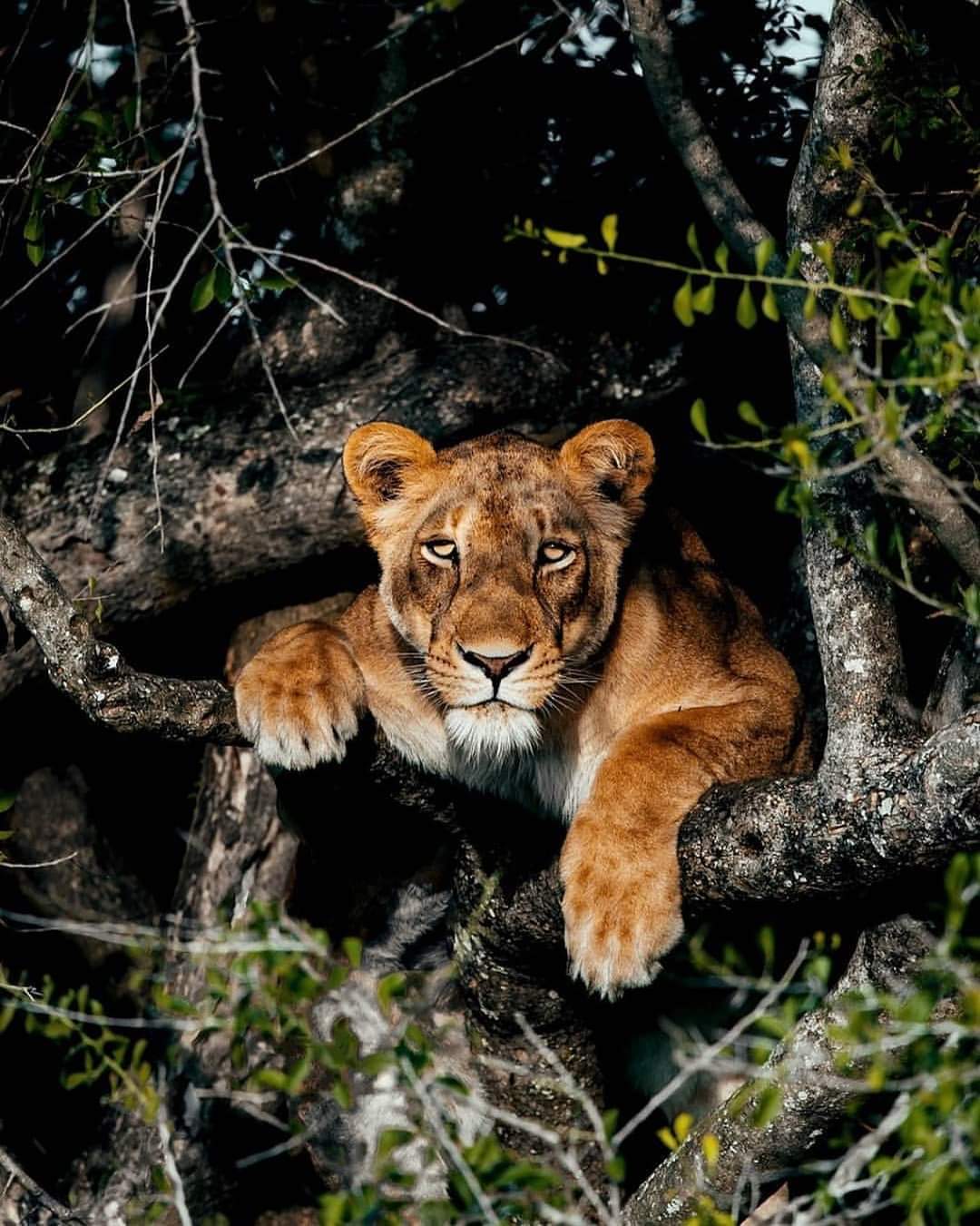
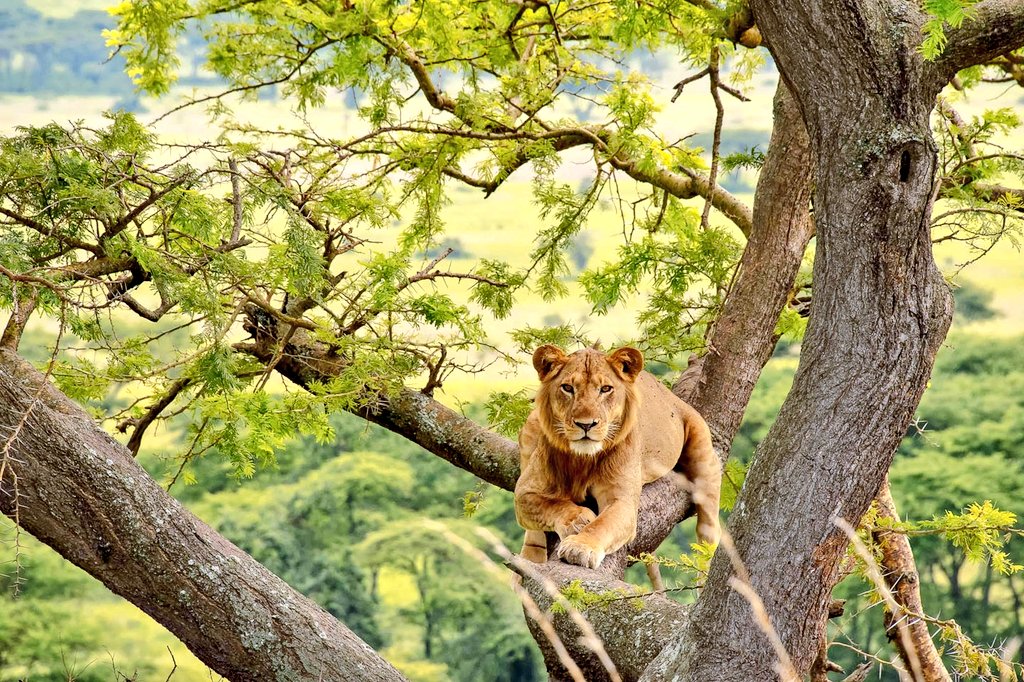
The tree-climbing lions of Ishasha Sector in Queen Elizabeth National Park are one of the rarest and most fascinating wildlife attractions in Africa. Located in the southern part of the park, Ishasha is world-famous for its unique population of lions that rest in fig and acacia trees—an unusual behavior rarely seen anywhere else on the continent.
A safari to Ishasha offers travelers an unforgettable opportunity to witness these majestic big cats lounging in trees while overlooking the vast savannah plains filled with wildlife.
Do Lions Really Climb Trees in Uganda?
Yes—tree-climbing lions are a real and rare phenomenon. In fact, there are only two known populations in the world where lions regularly climb trees:
- Ishasha Sector in Queen Elizabeth National Park, Uganda
- Lake Manyara National Park in Tanzania
This makes Ishasha one of the best and most unique places in the world to see this behavior.
Why Do Lions Climb Trees in Ishasha?
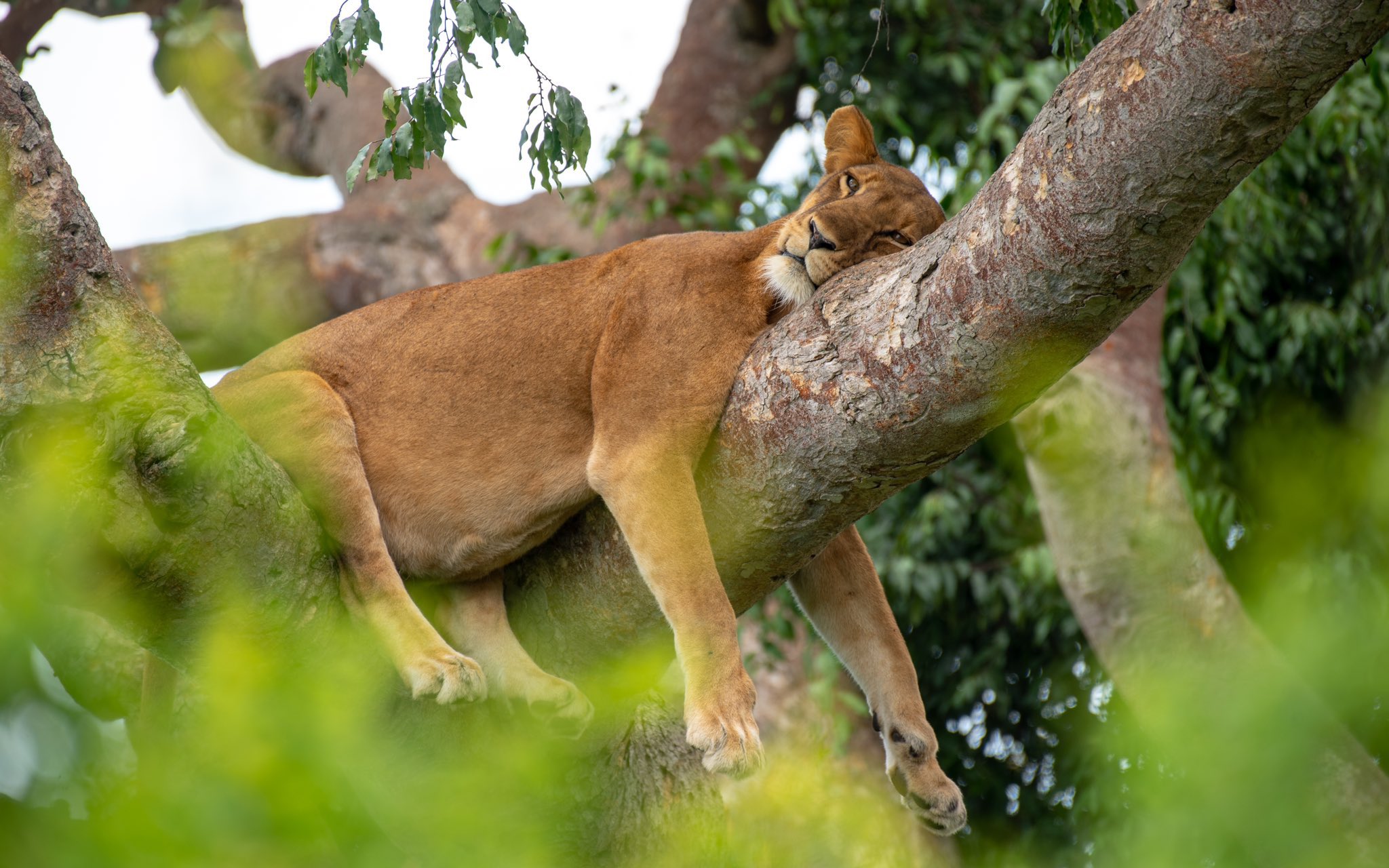
Scientists believe tree climbing is a behavioral adaptation rather than a genetic evolution. Several theories explain this behavior:
Possible Reasons:
- Avoiding biting tsetse flies on the ground
- Escaping heat and enjoying cooler breezes in the trees
- Better vantage point for spotting prey such as Uganda kobs
- Resting safely after feeding
Although the exact reason is still debated, the behavior has become a defining characteristic of Ishasha lions.
Wildlife Experience in Ishasha Sector
The Ishasha Sector is part of the southern wilderness of Queen Elizabeth National Park and is known for its quiet, less crowded game drives.
Wildlife You Can See:
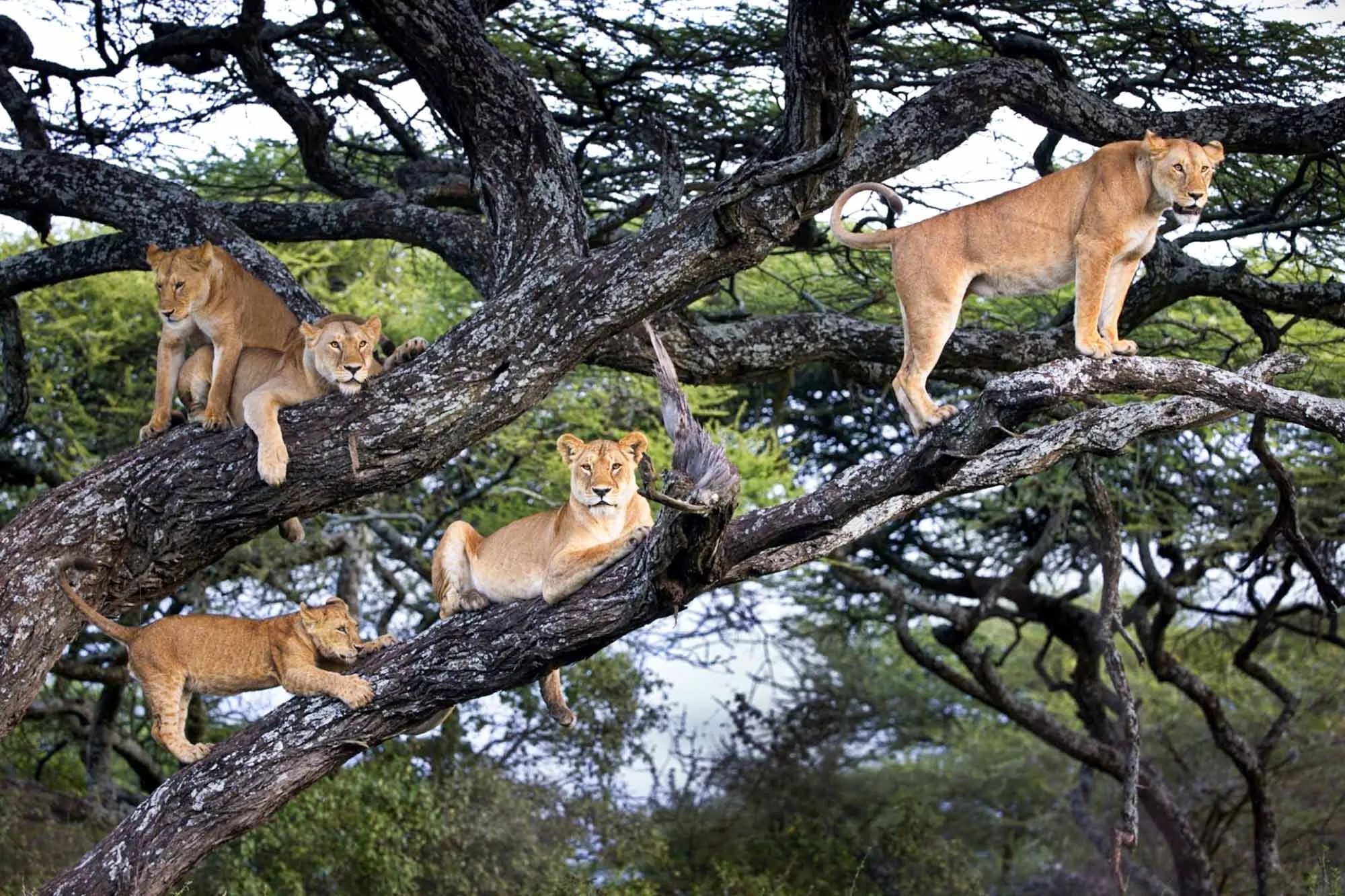
- Tree-climbing lions
- Uganda kobs (primary prey species)
- African elephants
- Cape buffaloes
- Topis and antelopes
- Baboons and monkeys
- Rich birdlife
The open savannah plains allow excellent visibility for photography and game viewing.
Lion Behavior and Social Structure in Ishasha
Studies by wildlife researchers estimate that Ishasha hosts around 20–35 lions, depending on movement patterns.
Key Facts:
- Male lions move between Uganda and the Democratic Republic of Congo
- Lions form small prides within the Ishasha ecosystem
- Young males are often expelled at 3–4 years old
- Maramagambo Forest acts as a wildlife corridor
Despite their uniqueness, these lions face increasing conservation challenges.
Threats Facing Ishasha Lions
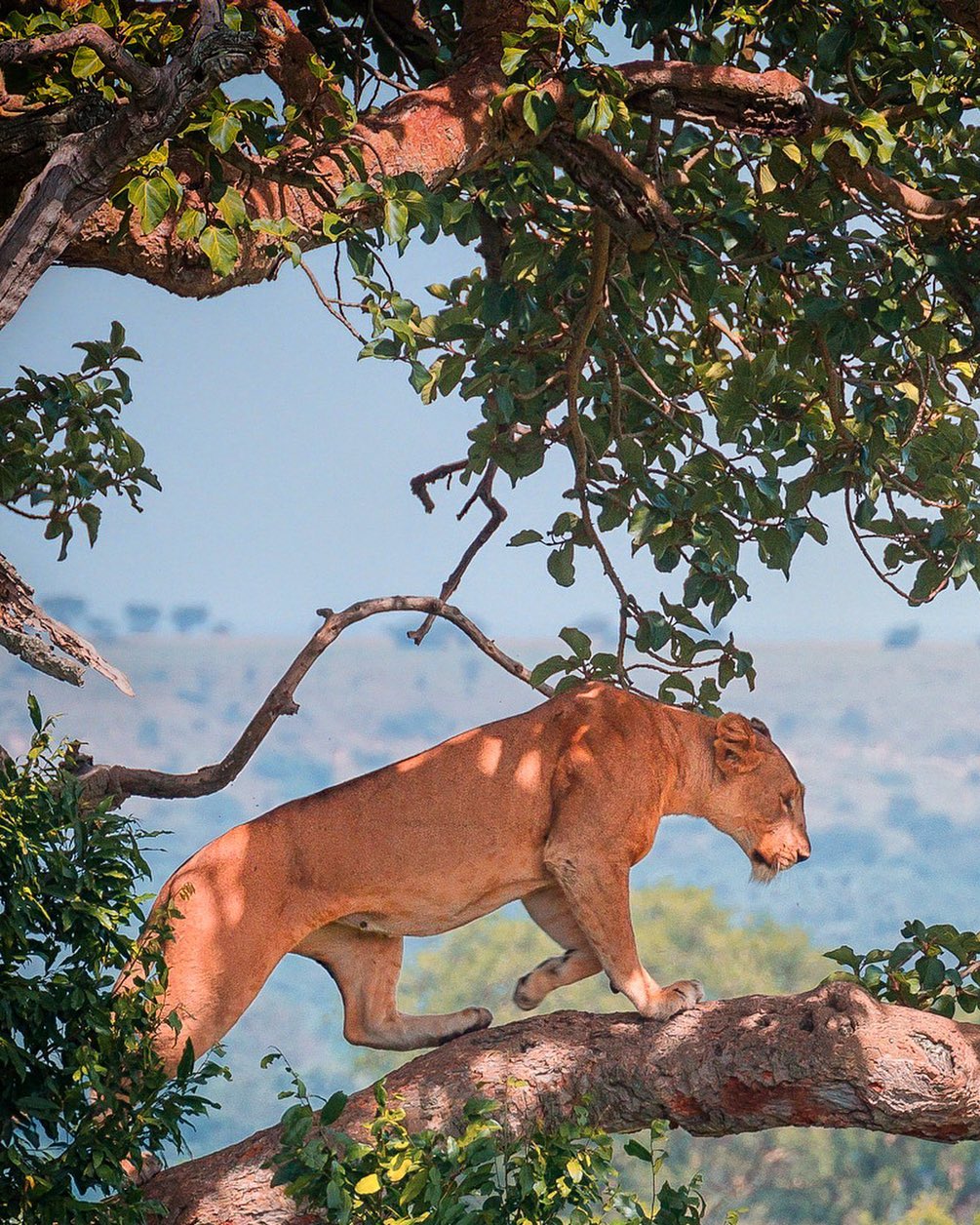
The lion population in Ishasha has declined due to:
- Human-wildlife conflict with cattle herders
- Livestock poisoning incidents
- Habitat pressure from surrounding communities
- Declining prey populations in some areas
Conservation efforts by wildlife authorities and partners continue to protect this rare population.
Best Time to Visit Ishasha for Tree-Climbing Lions
The best time for a safari is during the dry seasons:
Peak Season (Best Viewing):
- June to September
- December to February
Why These Months Are Best:
- Easier road access
- Short grass improves visibility
- Lions rest in trees more frequently
- Better wildlife photography conditions
Rainy seasons may make roads slippery and game viewing more challenging.
Things to Do in Ishasha Sector
A safari in Ishasha offers more than just lions:
- Game drives in remote wilderness
- Photography of tree-climbing lions
- Bird watching along the savannah and river systems
- Scenic drives through untouched landscapes
- Cultural interactions with nearby communities
The lack of heavy tourist traffic makes Ishasha one of Uganda’s most peaceful safari destinations.
Accommodation in Ishasha Sector
Visitors can stay in eco-lodges and safari camps near the southern gate of Queen Elizabeth National Park.
Top Lodges Include:
- Ishasha Wilderness Camp
- Ishasha Jungle Lodge
- Topi Lodge Ishasha
- Enjojo Lodge
These lodges offer close access to lion viewing areas and immersive wilderness experiences.