



LOTUKO (OTUHO) CULTURAL TOUR – SOUTH SUDAN TRIBES SAFARI
9 Days / 8 Nights South Sudan Cultural Trip
The Ultimate Cultural Experience in Eastern Equatoria, South Sudan
Discover one of the most authentic and untouched tribal cultures in East Africa on a journey to the Lotuko (Otuho) people of South Sudan. This immersive cultural safari takes you deep into the rocky mountains, stone-built villages, and ancestral landscapes of Eastern Equatoria—where traditions remain deeply rooted in everyday life.
Explore mountain villages | Meet tribal elders | Experience traditional dances | Discover untouched cultures
This email address is being protected from spambots. You need JavaScript enabled to view it.
WhatsApp +256 705 087 906 | +256 760 282 342
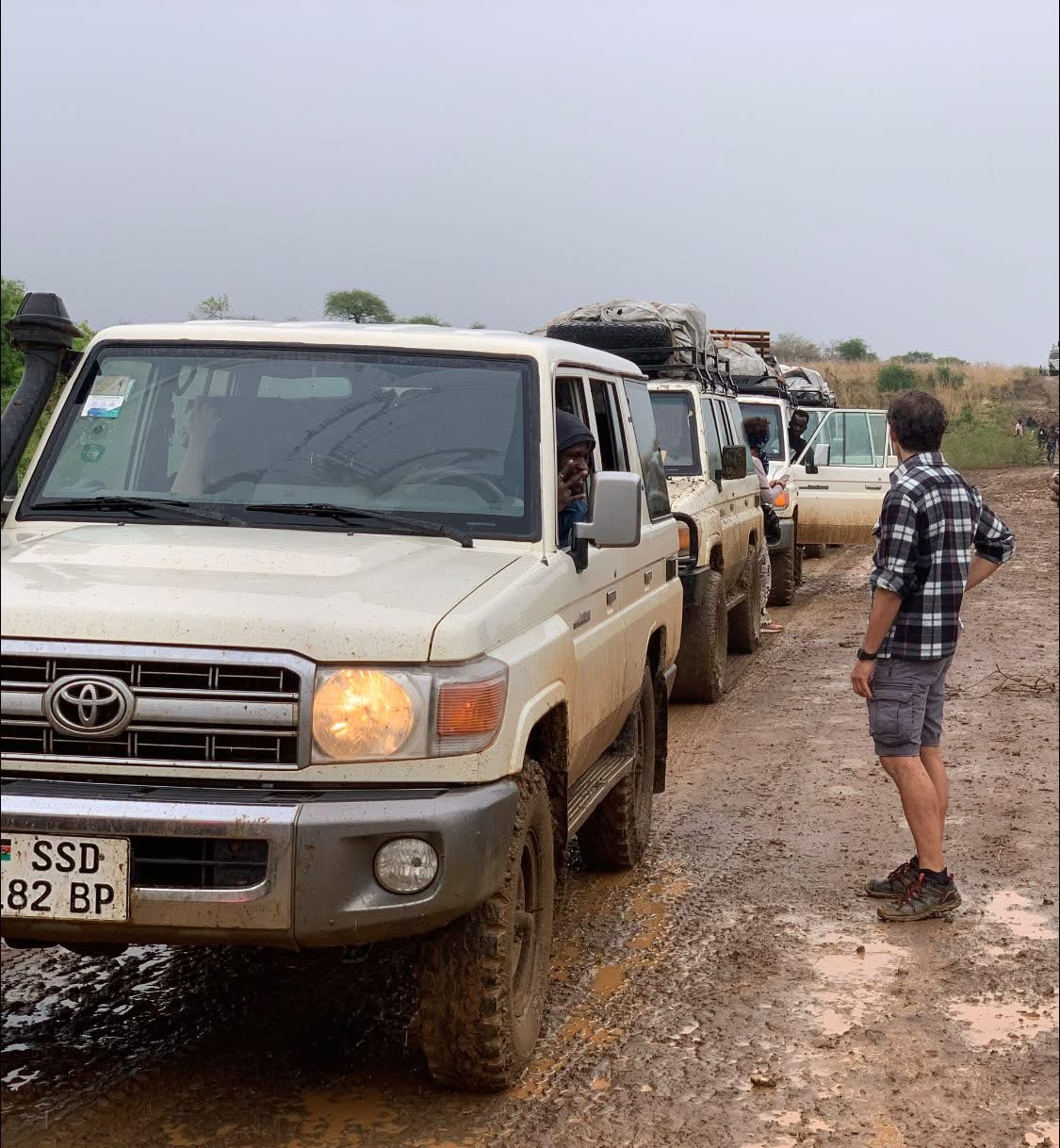
ABOUT THE LOTUKO (OTUHO) PEOPLE OF SOUTH SUDAN
South Sudan is home to over 64 ethnic tribes, each with unique languages and cultural identities. Among them, the Lotuko (Otuho) people are one of the most prominent communities in Eastern Equatoria State.
The Lotuko mainly inhabit the area around Torit town, the capital of Eastern Equatoria. They speak the Otuho language, while English and Arabic serve as national unifying languages.
Although modern influences are increasing, many Lotuko communities still live in traditional hillside settlements hidden among rocks and mountains, originally built for protection during periods of civil conflict.
TRADITIONAL MOUNTAIN VILLAGES & ARCHITECTURE
Lotuko villages are uniquely constructed into rocky hillsides and terraced landscapes, making them naturally hidden and highly defensive.
Key Features of Lotuko Villages
- Stone-built terraces and traditional homesteads
- Hidden hillside and mountain settlements
- Strong communal fencing systems
- Elevated village positioning for protection and visibility
These villages are among the most visually striking cultural landscapes in South Sudan.

HISTORY, LEADERSHIP & CULTURAL TRADITIONS
Historically, Lotuko society was guided by a rainmaker spiritual leader, responsible for communicating with ancestral spirits to ensure rainfall and agricultural success.
Traditional Governance System
- Stone-built community meeting enclosures
- Clan-based leadership structures
- Elders’ councils for conflict resolution
- Strong oral storytelling traditions
Many of these systems still exist today, offering visitors a rare insight into ancient African governance systems.
LIFESTYLE OF THE LOTUKO PEOPLE
The Lotuko are traditionally agro-pastoralists, combining livestock keeping with farming.
Agriculture
- Sorghum, maize, sesame
- Groundnuts and legumes
- Sweet potatoes, yams, tobacco
Livestock
- Cattle
- Goats
- Sheep
Their lifestyle reflects a balance between modern adaptation and strong cultural preservation.

WHY VISIT THE LOTUKO TRIBE?
Unlike heavily commercialized destinations, Lotuko villages offer:
✔ Authentic cultural immersion
✔ Scenic mountain and rocky landscapes
✔ Minimal tourism footprint
✔ Rare access to traditional South Sudan life
✔ Exceptional photography opportunities
The Lotuko offer a unique cultural perspective compared to neighboring groups such as the Boya (Larim) and Toposa communities.
9 DAYS / 8 NIGHTS SOUTH SUDAN CULTURAL SAFARI
This expedition explores South Sudan’s most authentic tribal communities, including the Lotuko, Boya (Larim), Toposa, and Mundari tribes.
DAY-BY-DAY ITINERARY
Day 1 – Arrival in Juba
Arrival in Juba, South Sudan. Meet your guide, complete travel formalities, and prepare for the expedition.
Overnight: Royal Palace Hotel / Palm Africa Hotel / Crown Hotel
No meals included
Day 2 – Juba to Ilieu Village (Lotuko Tribe)
Drive to the rocky hills of the Lotuko region and visit Ilieu village. Experience traditional stone houses, music, and cultural dances.
Overnight: Mobile camping
Meal plan: BLD
Day 3 – Kimatong (Boya / Larim Tribe)
Early morning visit to a Lotuko village, then continue to the Boya Mountains (Kimatong). Explore the Laram culture, known for distinctive body scarification and traditional customs.
Overnight: Mobile tents
Meal plan: BLD
Day 4 – Kimatong to Toposa Region
Travel east into Toposa territory. Visit villages and experience one of South Sudan’s most traditional pastoralist communities.
Overnight: Mobile camping
Meal plan: BLD
Day 5 – Toposa Village Experience & Kapoeta
Morning cultural visit to Toposa communities, then transfer to Kapoeta town for hotel accommodation.
???? Overnight: Kileu Hotel
???? Meal plan: Breakfast, Lunch, Dinner
Day 6 – Toposa to Juba
Drive back to Juba via Torit with a short city stop en route.
Overnight: Royal Palace Hotel / Palm Africa Hotel / Crown Hotel
No meals included
Day 7 – Mundari Cattle Camp
Drive to the Mundari cattle camps along the White Nile region. Experience daily life, including cattle herding, ash body rituals, milking, and traditional activities.
Overnight: Mobile camping
Meal plan: BLD
Day 8 – Juba & Nile Boat Safari
Return to Juba and enjoy a relaxing boat safari on the Nile River.
Overnight: Royal Palace Hotel / Palm Africa Hotel / Crown Hotel
No meals included
Day 9 – Departure
Transfer to the airport for your international departure.
Meal plan: Breakfast
IMPORTANT TRAVEL NOTE
This is a pioneering expedition into remote regions of South Sudan with limited infrastructure. Flexibility is essential due to road conditions, weather, and local logistics.
INCLUSIONS
- Hotel and mobile camp accommodation (twin/double sharing)
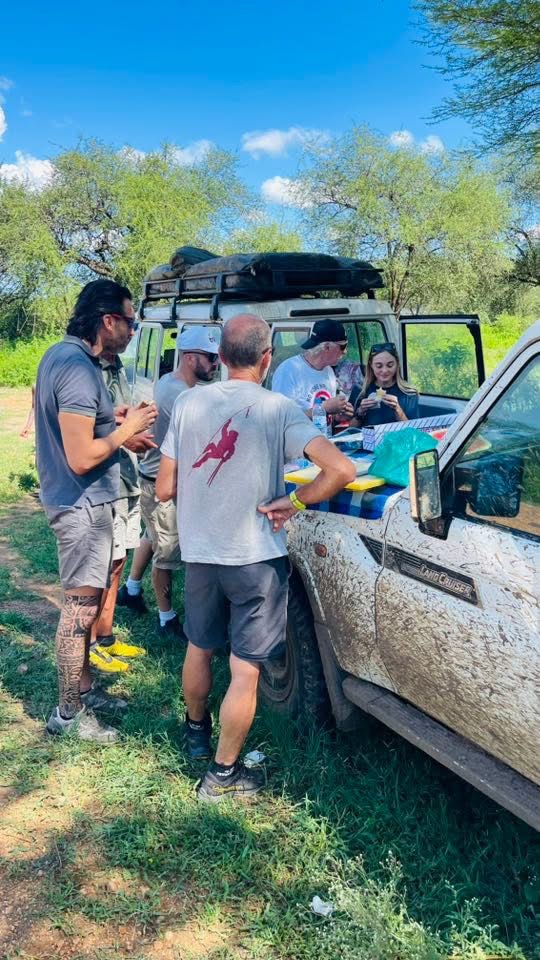
- Full board during expedition days (excluding Juba hotels)
- Professional cook during camping
- Drinking water during safari
- Airport transfers
- 4x4 safari vehicles with fuel and driver
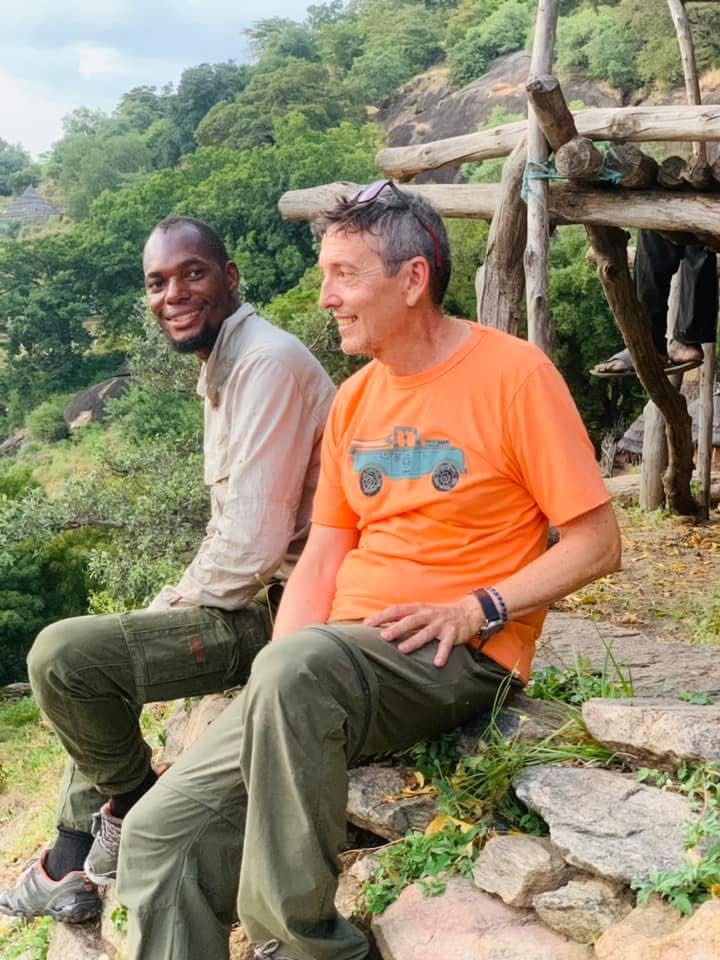
- English-speaking guide & ethnographer
- All permits and tribal visit fees
- Camping equipment (tents, mattresses, gear)
- Visa invitation support
EXCLUSIONS
- International flights to/from Juba
- Travel insurance
- Visa fees (~€100)
- Meals in Juba hotels
- Soft drinks & alcohol
- Tips for guides and drivers
- Personal expenses
WHAT TO BRING
- Lightweight and warm layered clothing
- Trekking shoes and sandals
- Rain jacket
- Sleeping bag (warm climate)
- Mosquito repellent
- Sunscreen & sunglasses
- Personal medical kit
- Camera with extra batteries
- Headlamp/torch
- Yellow fever certificate
- Malaria prevention medication
- Optional community donations
mmm
KEY EXPERIENCE HIGHLIGHTS
- Mundari cattle camps along the White Nile
- Toposa tribal villages (Karamojong cluster)
- Boya (Larim) mountain culture
- Lotuko stone-built mountain villages
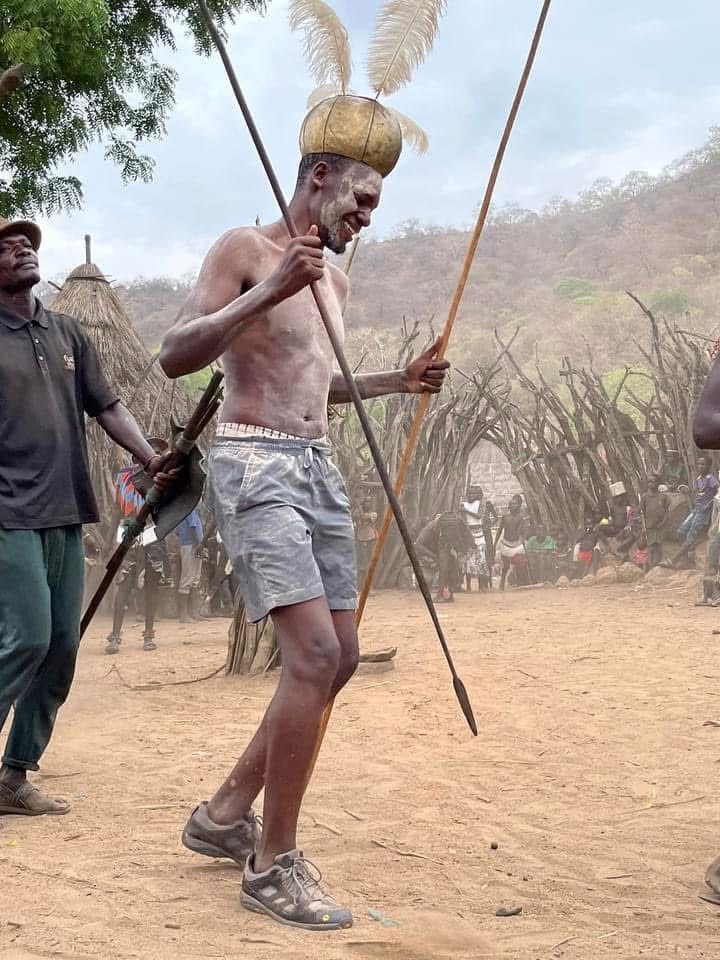
- Traditional rituals, dances & storytelling
- Remote Eastern Equatoria landscapes
RELATED SAFARI PACKAGES
South Sudan Tours
- Juba City Tour
- Mundari & Dinka Cattle Camps
- Toposa & Jie Villages
- Bird Watching Safaris
- 10–15 Day Tribal Expeditions
East Africa Safari Network
Uganda | Rwanda | Kenya | Tanzania | DR Congo | Ethiopia | Burundi
(Internal linking recommended for SEO ranking boost)
BOOK YOUR LOTUKO CULTURAL SAFARI TODAY
Travel deep into one of Africa’s last untouched cultural frontiers with Ultimate Wild Safaris Ltd.
This email address is being protected from spambots. You need JavaScript enabled to view it.
+256 705 087 906 / +256 760 282 342
Uganda-based East Africa Safari Operator
Reserve your Lotuko Cultural Expedition and experience the real South Sudan.
