



Mundari Cattle Camp Tour and Travel Guide
South Sudan Cultural & Wildlife Safari Experience
Discover one of Africa’s most fascinating and untouched cultural experiences with a journey to the Mundari people of South Sudan. This immersive safari takes you deep into traditional cattle camps where age-old customs, cattle culture, and Nilotic heritage remain strongly alive.
Who are the Mundari People?
The Mundari are a small Nilotic ethnic group in the Republic of South Sudan, with a population estimated between 70,000 and 100,000 people. They are indigenous to the Nile Valley and live primarily around Terekeka, approximately 75 kilometers north of Juba, the capital city.

Their homeland stretches between the White Nile to the east and neighboring ethnic groups such as the Bari and Bor Dinka.
Mundari Culture and Traditions
Mundari culture is deeply rooted in oral traditions, songs, dance, poetry, and symbolic expressions that communicate values such as generosity, respect, and community unity.
Initiation and Rite of Passage
A key cultural practice among Mundari men is ritual scarification, where young initiates undergo traditional rites of passage into adulthood. This includes living in isolation with elders and later receiving distinctive forehead scars.
Wrestling and Strength
Wrestling is a respected tradition among Mundari youth. Competitions are held regularly, and successful wrestlers gain prestige within the community.
The Heart of Mundari Life: Cattle Culture
Cattle are central to Mundari identity, economy, and spirituality.
- Cattle represent wealth, status, and social power
- They are used in bride price, trade, and survival
- Milk and blood are essential dietary sources
- Ownership of cattle determines social standing
The famous Ankole-Watusi cattle, known for their massive horns, are considered sacred and are often referred to as the “kings of cattle.”

Cattle also function as a “mobile bank account”, sold when families need to pay for food, school fees, or marriage arrangements.
Life in the Cattle Camps
Mundari cattle camps are among the most unique pastoral systems in Africa.
- Herds can reach up to 1,000 cattle per camp
- Camps move seasonally following rainfall and pasture availability
- Young men and boys live in the camps for herding and learning traditions
Daily Life in the Camp
- Men herd cattle to grazing fields
- Women prepare food and maintain camp life
- Children clean cattle dung, which is burned to repel insects
- Smoke from dung fires creates a protective and atmospheric environment
Unique Mundari Practices
Mundari culture includes several distinctive traditions:
- Cattle urine is used for washing, hair bleaching, and hygiene practices
- Ash is used as a natural antiseptic and insect repellent
- Cattle horns are polished using ash and urine mixtures
- Smoke from dung fires helps protect against mosquitoes
At night, the camps come alive with music from cattle horns, storytelling, and songs under the stars, while herders guard livestock from predators and occasional cattle raiders.

Wildlife and Security Context
While Mundari communities are generally peaceful, cattle raiding has historically been part of inter-tribal dynamics in the region. Herders also protect livestock from wildlife such as hyenas, jackals, and African wild dogs.
Best Time to Visit Mundari Cattle Camps
- Dry season (December – March) is ideal
- Camps are closer to the White Nile during dry months
- Excellent for photography and cultural immersion
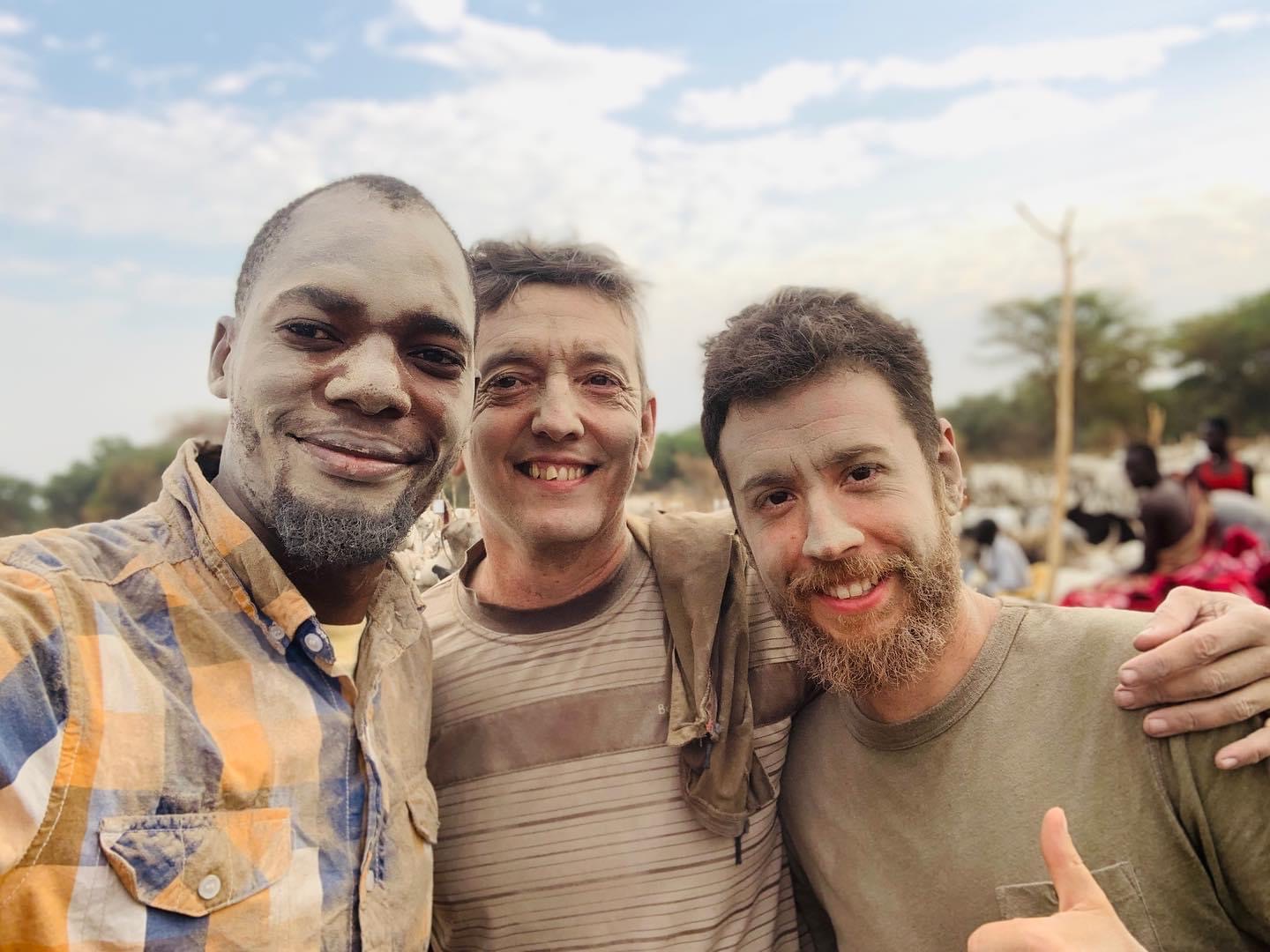
Book Your Mundari Cultural Safari with Ultimate Wild Safaris
Experience the authentic Mundari cattle camp lifestyle with expert-guided cultural tours in South Sudan.
Contact Us:
Email: This email address is being protected from spambots. You need JavaScript enabled to view it.
Mobile: +256 705 087 906 / +256 760 282 342

Explore:
- Mundari Cultural Experience Tours
- South Sudan Wildlife & Cultural Safaris
- Nilotic Tribe Immersion Experiences
- Photography Expeditions in Cattle Camps
