Tour and Travel Guide to the Larim Tribe/People in the Boya Hills – South Sudan Cultural Safaris
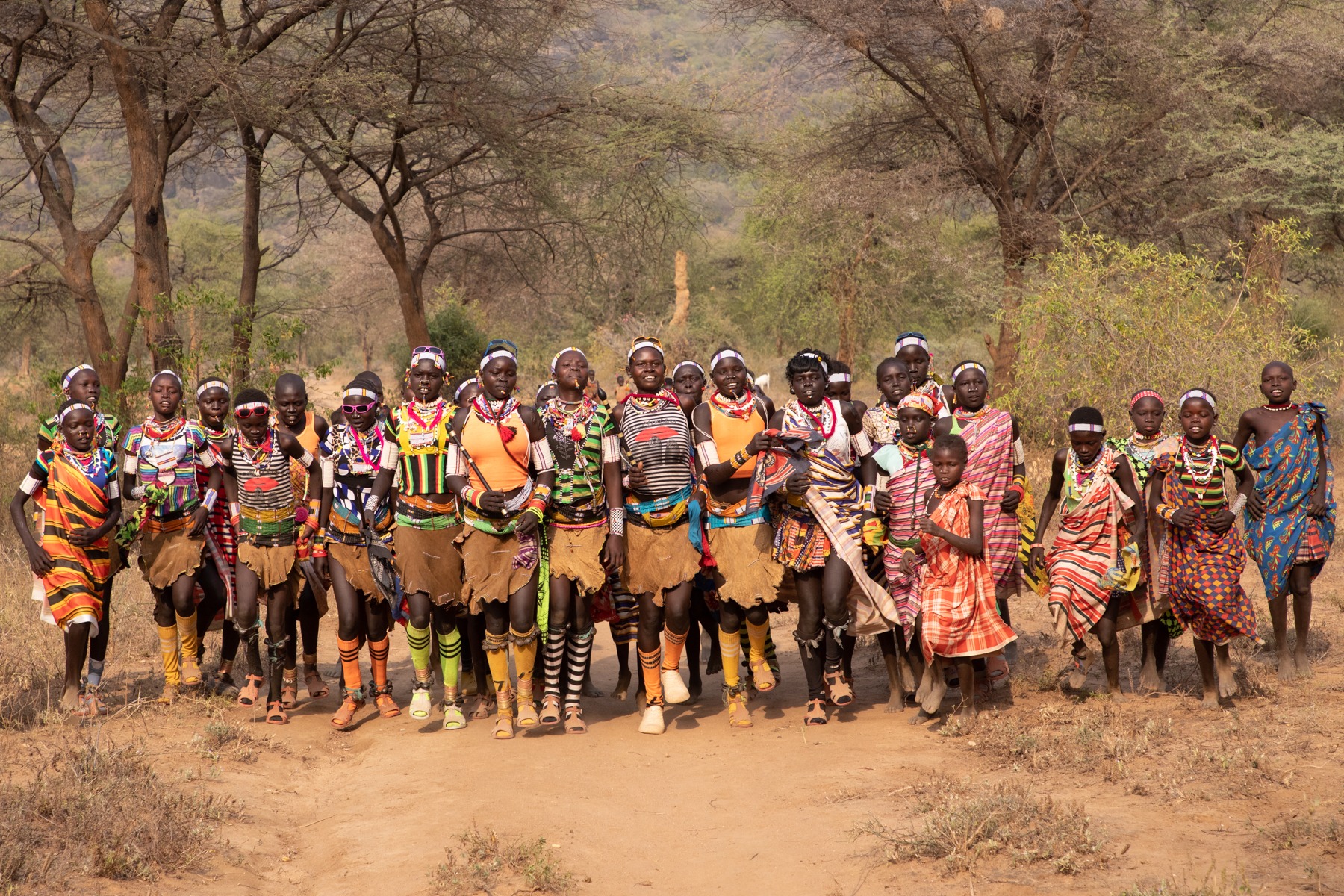
The Larim People, also known as the Boya people, are among the most unique and culturally rich tribes in South Sudan. Living in the remote and scenic Boya Hills of Budi County in Eastern Equatoria, the Larim offer travelers an authentic African tribal experience filled with ancient traditions, cattle culture, artistic craftsmanship, and extraordinary body scarification.
A cultural safari to the Larim tribe is one of the most rewarding off-the-beaten-path adventures in South Sudan. The Larim live in permanent mountain villages built with traditional thatched houses surrounded by thick thorn fences for protection. Their homes are beautifully decorated with shells, beads, symbolic drawings, and artistic patterns that reflect their strong cultural identity and craftsmanship. The entrances to most houses are intentionally low, requiring visitors to crawl inside, adding to the uniqueness of the cultural experience.
Who Are the Larim People of South Sudan?
The Boya or Larim are a Surmic ethnic group with a population estimated between 20,000 and 25,000 people. They speak the Narim language, closely related to the languages of the Didinga, Tenet, and Murle communities. The Larim mainly inhabit the southern and western Boya Hills around Mount Kosodek and Mount Lobuli, while Kimatong serves as the main settlement at the foot of the mountains.
The Larim People are agro-pastoralists whose livelihoods revolve around cattle keeping, farming, hunting, and fishing. They cultivate crops such as sorghum, millet, maize, and beans while maintaining large cattle herds that symbolize wealth and social status. During the dry season, men migrate with cattle to distant grazing camps, offering travelers an opportunity to witness traditional cattle migration and pastoral life deep within the wilderness of South Sudan.

Larim Body Scarification and Traditional Beauty
One of the most striking aspects of the Larim culture is its sophisticated body scarification. Larim women decorate their bodies with artistic scars featuring geometric patterns, animals, and symbolic shapes. Unlike some African communities where scarification is associated with spiritual protection, Larim women mainly use scarification as a symbol of beauty, identity, and maturity.
Young women also wear elaborate beadwork and decorative chains connecting ear and nose piercings to symbolize readiness for marriage. These traditions make the Larim one of the most visually fascinating tribes in East Africa.

Artistic Traditions of the Larim Tribe
The Larim are widely regarded as one of the most artistic tribes in South Sudan. Their spoons, gourds, beads, plates, and traditional gazelle-skin dresses are beautifully decorated with shells, beads, recycled metal pieces, and colorful patterns. Their homes are equally artistic, often covered with symbolic decorations that make the Larim villages visually remarkable.
Traditional craftsmanship remains an important part of the Larim identity and daily life. Visitors to the Boya Hills can experience authentic tribal art, handmade jewelry, traditional architecture, and cultural performances.
History and Origins of the Larim People
According to oral traditions, the Larim separated from the Murle people following a disagreement during a communal feast. After becoming offended by the absence of gazelle meat in the meal, one clan migrated westward and eventually settled in the fertile and mountainous Boya region, where they established permanent villages.
Today, visiting the Larim villages offers fascinating insight into traditional village life in South Sudan. Women are primarily responsible for farming, raising goats and chickens, fetching water, caring for children, and maintaining homes, while most men spend long periods in cattle camps.
Traditional Markets and Social Life
The economy and social life of the Larim revolve around local trading centers such as Camp 15 Market, where they exchange livestock, crafts, tobacco, agricultural produce, and handmade goods with neighboring Didinga communities. Traditional tobacco smoking using handcrafted pipes remains a common cultural activity among Larim elders and herdsmen.
Socially, the Larim are organized into strong clan systems connected through community solidarity and traditional customs. Their marriage ceremonies, dowry negotiations, initiation rituals, childbirth traditions, naming ceremonies, and funeral practices closely resemble those of the neighboring Didinga people.
Boys traditionally enter adulthood between the ages of eighteen and twenty, while girls undergo cultural initiation ceremonies at younger ages.
Spiritual Beliefs and Rituals
Spiritually, the Larim People believe in a supreme being who controls life, rainfall, fertility, and the well-being of cattle. Ancestors and departed spirits are deeply respected, and communal prayers and offerings are performed at sacred ritual sites.
The Larim also share rainmaking rituals and traditional spiritual leadership with neighboring Didinga communities, preserving ancient beliefs that have survived for generations.