Sudan Travel Guide: Pyramids, Nubian Culture & Tribal Experiences
Discover Sudan: Africa’s Hidden Cultural Treasure
Sudan is one of Africa’s most fascinating and underrated destinations. Known for its vast deserts, ancient civilisations, and rich cultural diversity, Sudan offers a rare travel experience far from the typical tourist trail.
From the legendary Kingdom of Kush and the “Black Pharaohs” to remote tribal communities and untouched landscapes, Sudan is perfect for travelers seeking authenticity, history, and adventure.
Why Visit Sudan?
Sudan combines:
- Ancient archaeology and lost kingdoms
- Diverse ethnic cultures and traditions
- Untouched natural reserves
- Authentic, off-the-beaten-path experiences
Despite limited tourism, Sudan holds some of the most impressive historical and cultural sites in Africa—many without crowds.
Top Attractions in Sudan
1. Pyramids of Meroe
These iconic desert pyramids are Sudan’s most famous attraction. Smaller but more numerous than Egypt’s pyramids, they offer a surreal and uncrowded experience.
2. Jebel Barkal – The Sacred Mountain
A UNESCO-listed site believed to be the home of the god Amun. Its dramatic silhouette and spiritual significance make it one of Sudan’s most mystical locations.
3. Old Dongola
Once the capital of the Christian kingdom of Makuria, this historic site was a major hub for trans-Saharan trade.
4. Kassala
A unique Ottoman-era city surrounded by the Taka Mountains, known for its cultural diversity and the famous Khatmiyah Mosque.
5. Suakin Island
A former Red Sea trading hub built from coral stone, now a hauntingly beautiful historical ruin.
6. Dinder National Park
One of the last wildlife sanctuaries in Sudan, home to lions, antelope, and a diverse array of birdlife.
Cultural Highlights: Tribes & Traditions
Sudan is home to a remarkable diversity of ethnic groups, many preserving ancient traditions:
- Nuba people – Known for wrestling festivals and harvest rituals
- Beja people – Nomadic pastoralists of eastern Sudan
- Komo Ganza – Remote communities maintaining traditional lifestyles
- Fula people (Felata) – Known for distinctive hairstyles and tattoos
These communities offer rare insights into Africa’s living cultural heritage.
Nubian Culture: Africa’s Oldest Black Civilisation
Nubians
Nubia, located along the Nile in northern Sudan and southern Egypt, is one of Africa’s oldest civilisations, dating back to around 3100 BC.
Key Facts About Nubia:
- One of the earliest advanced civilisations in Africa
- Rich in gold, ivory, and long-distance trade
- Strong cultural identity despite displacement
- Nubian language still spoken (though declining)
Today, Nubian communities preserve their heritage through architecture, traditions, and daily life along the Nile.
Geography & Climate
Sudan’s landscape is largely desert, divided by the Nile River.
Key characteristics:
- Hot temperatures year-round
- Minimal rainfall
- Fertile agricultural zones along the Nile
Despite harsh conditions, Sudan supported powerful kingdoms through trade and natural resources.
Travel Update & Safety (2026–2027)
Due to the ongoing conflict, travel in Sudan remains limited.
- Tours are currently operating mainly in Port Sudan
- Other regions, including Khartoum, remain restricted
- Future tours depend on security improvements
Travellers should always check the latest updates before planning a trip.
Sudan Tours & Experiences
Group Tours
- Small groups (max 16 travellers)
- Cultural immersion and off-the-beaten-path routes
- Expert local guides
Featured Tours:
- Port Sudan (2–3 days experiences)
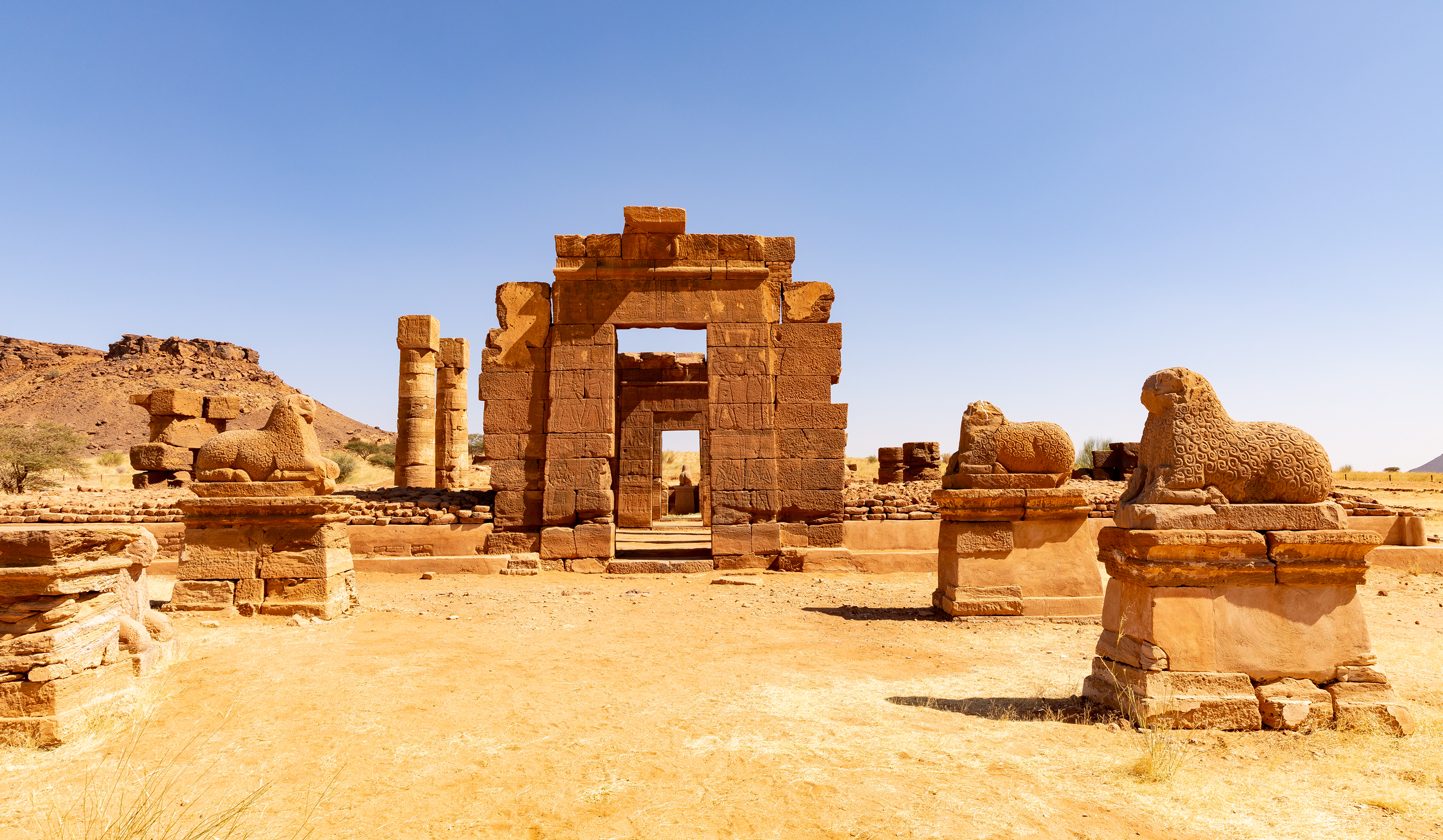
- Historical Sudan tours (Kushite sites & pyramids)
- Tribal and cultural expeditions
- Photography and filming tours
Sample 7-Day Sudan Itinerary
Day 1–2: Khartoum & Omdurman
- National Museum
- Nile crossings
- Mahdist history
Day 3: Old Dongola & Kerma
Day 4–5: Soleb & Jebel Barkal
- Temples, tombs, and sacred sites
Day 6: Pyramids of Meroe
- Desert camping experience
Day 7: Return to Khartoum via Mussawarat & Naqa
Visa & Travel Requirements
- Visa required (via embassy or visa on arrival with pre-clearance)
- Documents needed:
- Passport
- Photos
- Letter of Invitation (LOI)
- Fees: approx. $20–$100
Responsible Travel in Sudan
Sustainable tourism helps:
- Support local communities
- Preserve tribal cultures
- Protect archaeological heritage
Traveling responsibly ensures these traditions and sites remain for future generations.
Plan Your Sudan Adventure
Whether you’re interested in:
- Archaeology and ancient civilizations
- Tribal cultures and anthropology
- Wildlife and remote landscapes
- Photography and exploration
Sudan offers one of the most unique and untouched travel experiences in Africa.




Veronica
8th May, 2026Visiting the pyramids of Sudan was one of the most surprising and unforgettable experiences of my travels. Seeing these ancient pyramids rising out of the desert, often with almost no other tourists around, felt truly special and magical. What impressed me most was the atmosphere — peaceful, remote, and incredibly authentic. Walking among the pyramids with the desert all around created a feeling that is hard to describe. It felt like discovering a hidden part of history. Beyond the sites themselves, I was touched by the kindness and hospitality of the Sudanese people I met along the way. The combination of history, landscapes, and human warmth made this journey unforgettable. A truly unique experience that deserves far more attention from travelers , and travelling with Ultimate wild safaris made it more special .